
Pépé le Moko
1937
No user ratings available yet
Representation score: 3.9 out of 10
Representation Score
Minimal
1950
ApprovedDirector
Robert Stevenson
Runtime
82 minutes
Average Rating
No ratings yetNew Showbiz Analysis
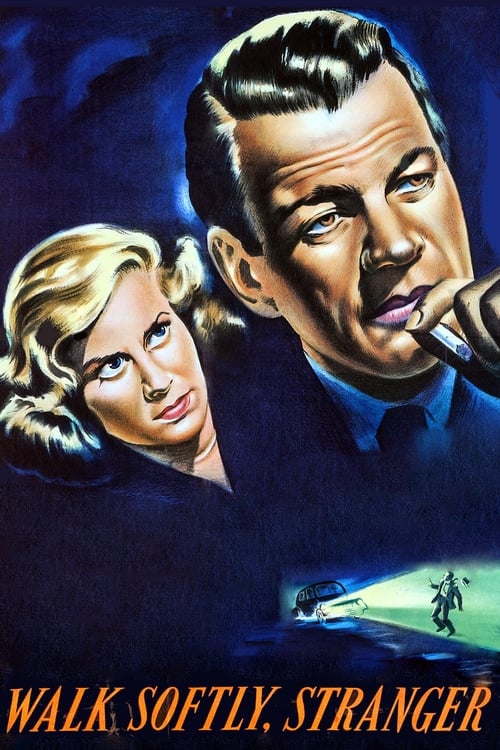
Walk Softly, Stranger is a classic mid-century crime-romance that upholds traditional social structures. The narrative depends on conventional character types and traditional gender roles to create suspenseful melodrama. The film reflects its time by reinforcing the status quo through its homogeneous demographic focus and moral framework. It lacks the layered complexity or systemic challenges needed to question the era's social norms. While the inclusion of a character with a physical disability offers some representation, it is used primarily to support the male protagonist's development rather than as an independent character.
Category Breakdown
The film does not include any LGBTQ+ characters or explore non-straight relationships. The romantic storyline focuses on a typical heterosexual couple, following traditional social norms.
Gender roles in the film follow mid-century conventions. The male protagonist drives the plot through his actions, while the female lead’s role is mainly defined by her relationship to him.
The casting reflects the demographic uniformity of 1950s cinema. The story focuses on a predominantly white population in a Midwestern setting, with minimal racial diversity.
The story emphasizes traditional Western values such as personal redemption and community stability. It reinforces social integration without challenging established institutions or norms.
Elaine Corelli's physical disability is a key plot element used to advance the protagonist's emotional journey. The depiction follows the era's 'tragic' or 'inspiring' narrative clichés.
Present on Screen
Limited or Absent
Official Synopsis
Fugitive Chris Hale starts over in a small Midwestern town in Ohio, where he befriends Elaine Corelli, a kind-hearted heiress left disabled after a skiing accident. As love blossoms, Hale vows to change his ways, but escaping his past may mean one last job.
1937

1952

1940
1945
1939
1949
1949

1950
No reviews yet. Be the first to share your thoughts on this movie!
Use the rating form above to leave a star rating and optional review.