
Virtue
1932
No user ratings available yet
Representation score: 1.8 out of 10
Representation Score
Limited
1939
Director
Pierre Chenal
Runtime
90 minutes
Average Rating
No ratings yetNew Showbiz Analysis
Pierre Chenal’s work explores the fringes of society, often focusing on those on the margins and moral ambiguity. This film uses poetic realism to examine the tension between personal desires and societal structures through a crime-driven lens. While the film lacks racial and LGBTQ+ diversity, it excels in subverting gendered power dynamics. The central conflict is driven by the female protagonist rather than traditional male leadership. Ultimately, the film reflects the demographic homogeneity of its era while deconstructing traditional social roles and morality.
Category Breakdown
The film focuses on a traditional romantic triangle involving a husband, wife, and a lover. It does not depict any queer identities or non-straight relationships.
Cora challenges traditional domestic roles by taking an active role in driving the plot through manipulation. She disrupts the usual male-dominated hierarchy and male stability.
The story centers around a homogeneous social group typical of 1939 French cinema. There is no evidence of diverse racial or ethnic identities.
The film critiques the sanctity of the nuclear family through themes of betrayal and crime. It offers a realistic, cynical view of human impulses over idealized values.
There is no mention of characters with visible or invisible disabilities. No assessment of neurodivergence or physical impairment is possible.
Present on Screen
Limited or Absent
Official Synopsis
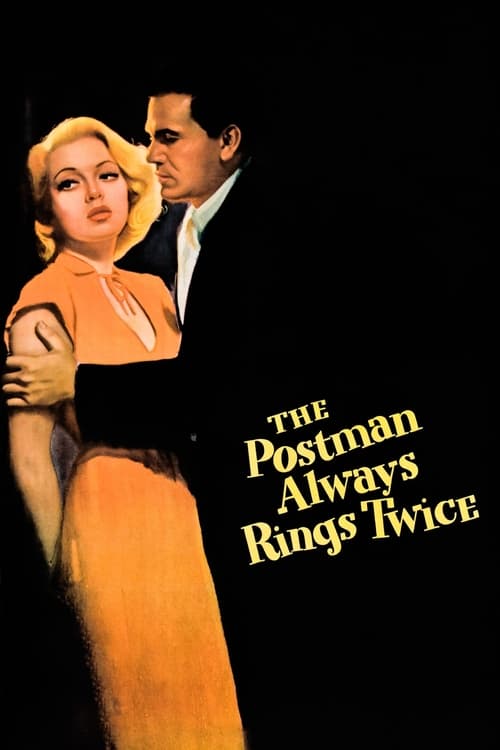
Frank, a hobo, ends up in a garage-truck stop in the middle of nowhere. Nick Marino, its older, kind and naive owner, is married to Cora, a sexy and mercenary woman half his age. Frank, although not a fan of hard work, accepts Nick's offer to work for him. Of course, it is not for Nick's sake that the young man becomes his attendant, but for the love of Cora under whose spell he has fallen at once. It does not take long before Cora, who despises her husband, asks her lover to help her get rid of him. Frank is reluctant at first but ...
1932
1937
1930
1945

1932
1946
1950

1952
No reviews yet. Be the first to share your thoughts on this movie!
Use the rating form above to leave a star rating and optional review.