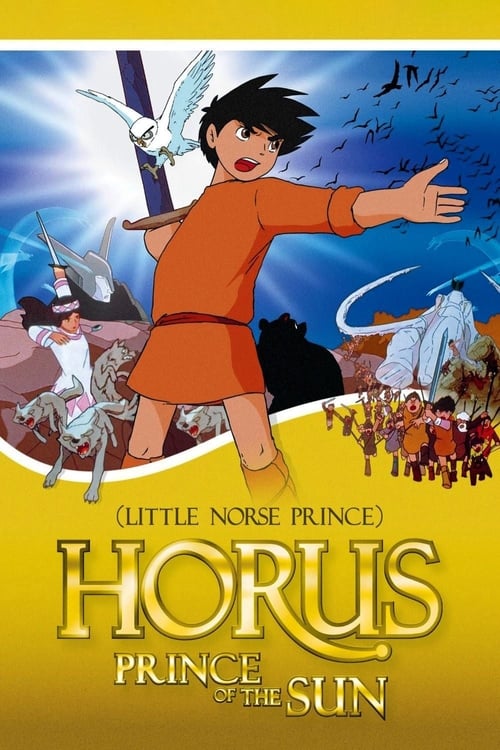
Horus: Prince of the Sun
1968
No user ratings available yet
Representation score: 5.4 out of 10
Representation Score
Fair
1963
Director
Yugo Serikawa
Runtime
86 minutes
Average Rating
No ratings yetNew Showbiz Analysis
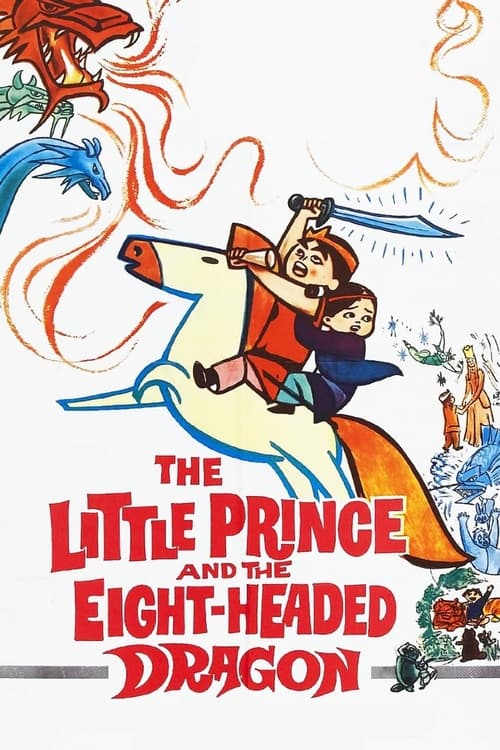
The film stands out as a culturally significant piece of animation rooted in Japanese Shinto mythology. By focusing on indigenous deities and folklore, it provides a meaningful alternative to the Western-centric storytelling prevalent during its time. However, the film adheres to traditional storytelling conventions of the 1960s, featuring a patriarchal heroic cycle where ability to act is primarily reserved for the male protagonist and traditional family roles.
Category Breakdown
The story focuses on familial grief and mythological heroism. There are no non-straight or non-cisgender identities or same-sex relationships shown.
The story centers on Susano, a male character navigating patriarchal mythological structures. While the mother's death drives the plot, the male character's journey holds most of the ability to act.
The film highlights Japanese folklore and Shinto mythology, offering a non-Western perspective that contrasts with traditional Western fairy tales.
The film explores Shinto spirituality and themes of the afterlife. It presents a non-Christian moral framework centered on spiritual guidance and personal empowerment.
There is no depiction of physical or neurodivergent disabilities in this work.
Present on Screen
Limited or Absent
Official Synopsis
In this influential cult-classic animated film based on Japanese folklore, Susano is the youngest son of Izanagi and Izanami, the heavenly couple who created the Earth. Still a young boy, Susano is devastated by the passing away of his mother. Determined to find her despite the reprimands of his father, he embarks on a journey to find his brother and his sister for spiritual guidance.
1968
2006

1979
1982
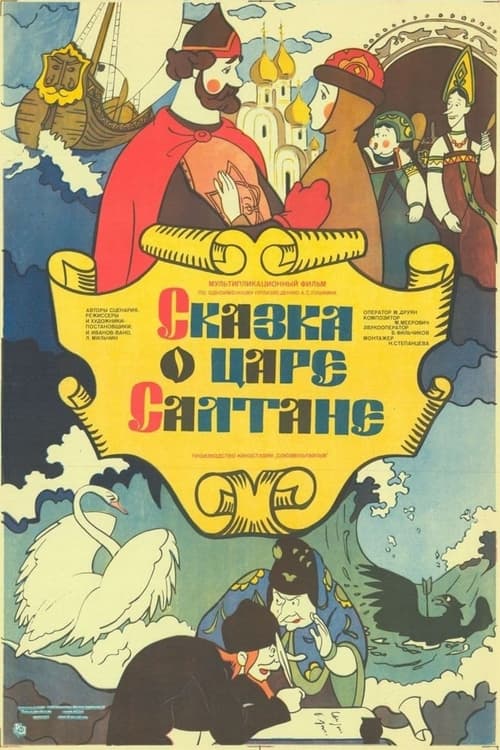
1984
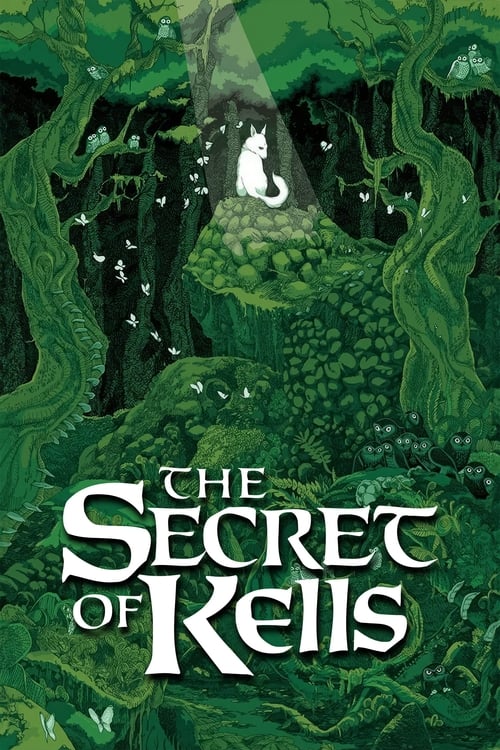
2009

2021
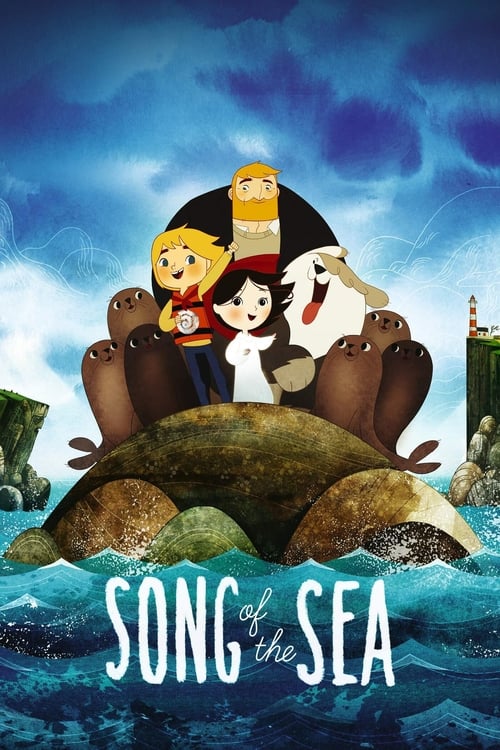
2014
No reviews yet. Be the first to share your thoughts on this movie!
Use the rating form above to leave a star rating and optional review.