
The Story of Heidi
1979
No user ratings available yet
Representation score: 4.1 out of 10

Representation Score
Fair
1977
Director
Isao Takahata
Runtime
97 minutes
Average Rating
No ratings yetNew Showbiz Analysis
Isao Takahata’s direction transforms this adaptation into a sophisticated study of character and environment. The film stands out for its nuanced portrayal of disability and its focus on the emotional intelligence of female characters rather than traditional power structures. However, the work is confined by its historical and geographical context. The absence of racial and LGBTQ+ diversity reflects the era's production standards and the story's European roots. Ultimately, the film's strength lies in its psychological depth and its critique of the rigid, isolating nature of urban, high-society structures.
Category Breakdown
The film highlights the platonic friendship between the female leads. There are no depictions of non-straight relationships or same-sex intimacy.
The narrative centers on the emotional resilience and intelligence of young girls. It emphasizes the internal lives of women rather than traditional male leadership roles.
The cast is ethnically uniform, reflecting the story's European setting. The production stays true to the historical and geographical context of the source material.
The story explores tensions between different socioeconomic classes and urban versus rural lifestyles. It critiques the emotional sterility of high-society institutions.
Clara Sesemann is shown with significant gravity and a strong role in driving the story. The film avoids using her paralysis as a mere plot device or source of ridicule.
Present on Screen
Limited or Absent
Official Synopsis
Heidi leaves her beloved Alm and moves to Frankfurt, where she finds a new good friend in Clara. Aunt Dete wants Heidi to leave her grandfather on the mountain pasture and go with her to Frankfurt, where she is supposed to live with the Sesemann family and keep their paralyzed daughter Clara company. In this way, Heidi would enjoy an excellent upbringing and grow up with one of the richest families in Frankfurt. Aunt Dete sees a bright future for Heidi in the city. However, this idea is not met with enthusiasm by Heidi and her grandfather, Peter and his grandmother are also very reluctant to let Heidi go. After much persuasion and many promises from Aunt Dete, Heidi finally leaves her beloved mountain world with a heavy heart and travels to Frankfurt.
1979

1980

1974

1957
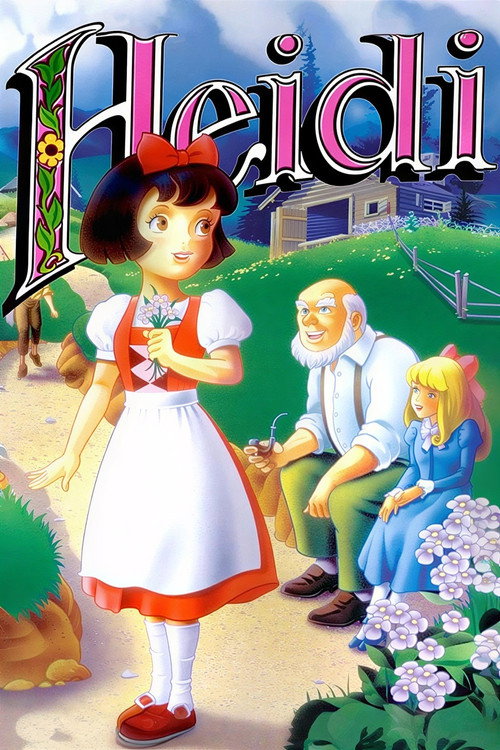
1995

2015

1982
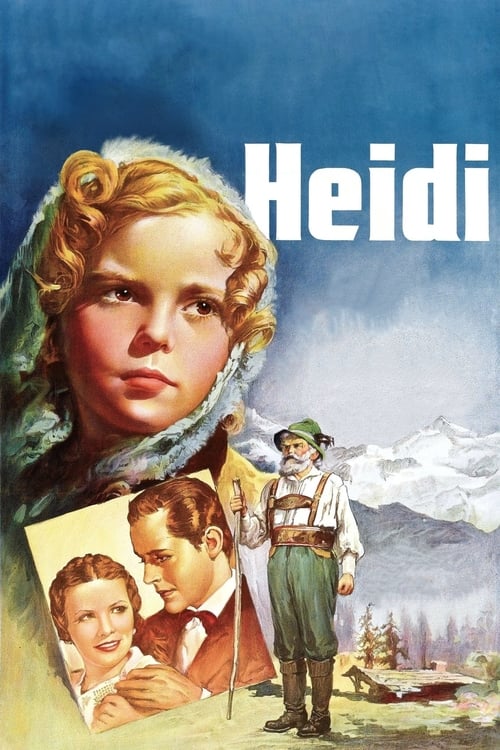
1937
No reviews yet. Be the first to share your thoughts on this movie!
Use the rating form above to leave a star rating and optional review.