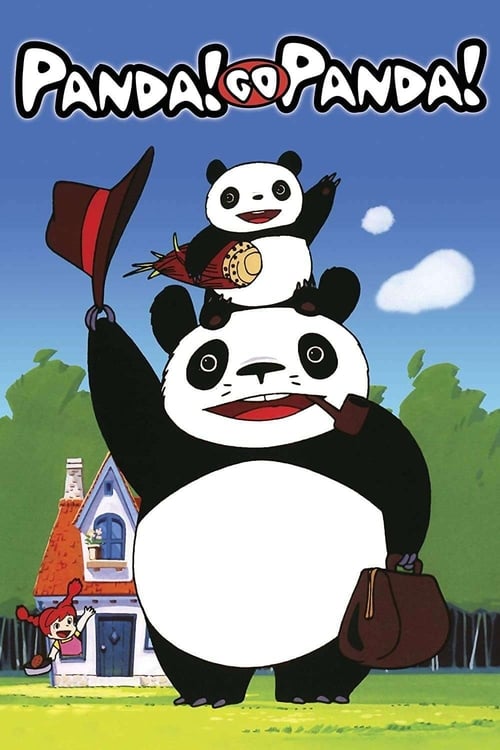
Panda! Go Panda!
1972
No user ratings available yet
Representation score: 1.9 out of 10

Representation Score
Fair
1973
Not RatedDirector
Isao Takahata
Runtime
38 minutes
Average Rating
No ratings yetNew Showbiz Analysis
This short film primarily serves as an exercise in surrealist whimsy rather than social commentary. It prioritizes aesthetic rhythm and avant-garde animation over discussions of identity or the disruption of social hierarchies. The work uses a non-human lens to explore a chaotic circus environment. While the director is known for nuanced character studies, this specific piece remains a relatively traditional work, albeit with a stylistic experimental approach. Overall, the film lacks the symbols or themes needed to engage with the overlapping aspects of identity or diverse social representations.
Category Breakdown
The film features anthropomorphic characters and circus archetypes. It does not include any non-cisgender gender identities or narratives that question the idea that everyone is straight.
The film follows traditional circus archetypes in its character dynamics. While it avoids active misogyny, it does not challenge traditional gender roles or power structures.
Using anthropomorphic animals, the film avoids traditional human racial hierarchies. However, it lacks diverse human representation or metaphorical explorations of race.
Set in a surreal, dreamlike circus, the film prioritizes absurdity over systemic critique. It avoids engaging with religious moralism or anti-Western narratives.
The narrative focuses on physical comedy and rhythmic movement. It does not depict neurodivergence or physical disabilities as significant drivers of character actions.
Present on Screen
Limited or Absent
Official Synopsis
Mimiko, Papa Panda, and Panny make friends with a baby tiger from the circus — just in time for a flash flood to throw the whole town into chaos.
1972

1940
1969
1952

1972
1954
1970
1967
No reviews yet. Be the first to share your thoughts on this movie!
Use the rating form above to leave a star rating and optional review.