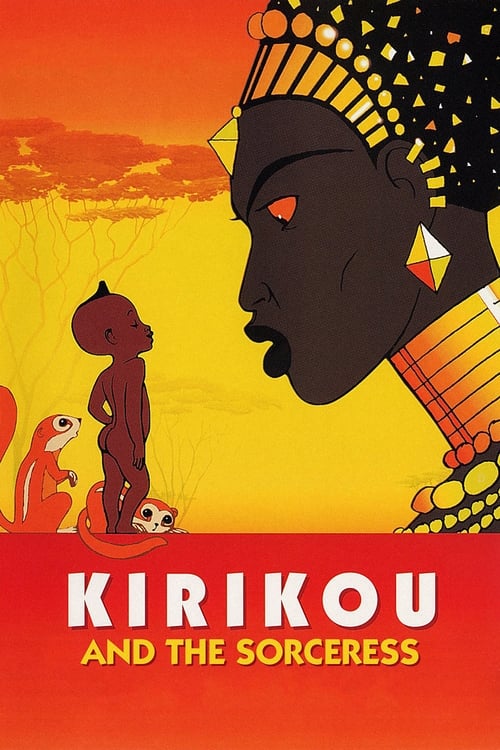
Kirikou and the Sorceress
1998
No user ratings available yet
Representation score: 4.9 out of 10

Representation Score
Fair
2012
TV-PGDirector
Michel Ocelot
Runtime
88 minutes
Average Rating
No ratings yetNew Showbiz Analysis
Michel Ocelot’s work disrupts the Eurocentric perspective common in mainstream animation. By focusing on an African-inspired landscape and a protagonist who relies on cognitive skills rather than physical strength, the film challenges traditional power hierarchies. The film’s intentional focus on racial and ethnic diversity provides a platform for non-Western cultural expressions. This approach effectively moves away from the 'whitewashing' often seen in global animation. However, the film’s emphasis on traditional community structures leads to a lack of LGBTQ+ representation. Additionally, the absence of disability representation limits the scope of its social inclusivity.
Category Breakdown
The film does not explicitly depict LGBTQ+ identities or non-assuming gender matches what was assigned at birth gender expressions. The story emphasizes traditional community bonds and harmony within a folkloric setting.
Women are portrayed as central, capable, and essential figures within the village. The film challenges traditional gender roles by giving female characters significant roles rather than passive ones.
The production centers a non-Anglo-Saxon narrative through an all-Black cast and West African aesthetic. It prioritizes African oral traditions and visual culture over Eurocentric fairy tale archetypes.
The narrative prioritizes indigenous West African wisdom and communal ethics over Western storytelling norms. It highlights a protagonist who uses intelligence and empathy to question established authority.
There are no prominent depictions of visible or invisible disabilities used as central plot devices or character traits within the narrative.
Present on Screen
Limited or Absent
Official Synopsis
The grandfather welcomes us into his blue grotto, there was still beautiful memories of childhood to tell Kirikou: the times when he helped the men and women of his village and elsewhere ... He tells us how Kirikou, thanks to his bravery and intelligence, came to the aid of the strong woman. He tells us by what trick the little hero found the grumpy old man, who had been lost in the bush, and how a cherry threatened by the witch was finally able to pass on his knowledge to the villagers. We also discover the secret of a mysterious blue monster, and finally through a flute linked to the family of our small and valiant heroes, the magical power of music.
1998
2006

2005
1994

2018
2009
2014
2020
No reviews yet. Be the first to share your thoughts on this movie!
Use the rating form above to leave a star rating and optional review.