Pure Hearts
2006
No user ratings available yet
Diversity score: 4.9 out of 10
2009
Not RatedDirector
Karen Shakhnazarov, Aleksandr Gornovsky
Runtime
83 minutes
Average Rating
No ratings yetSynopsis
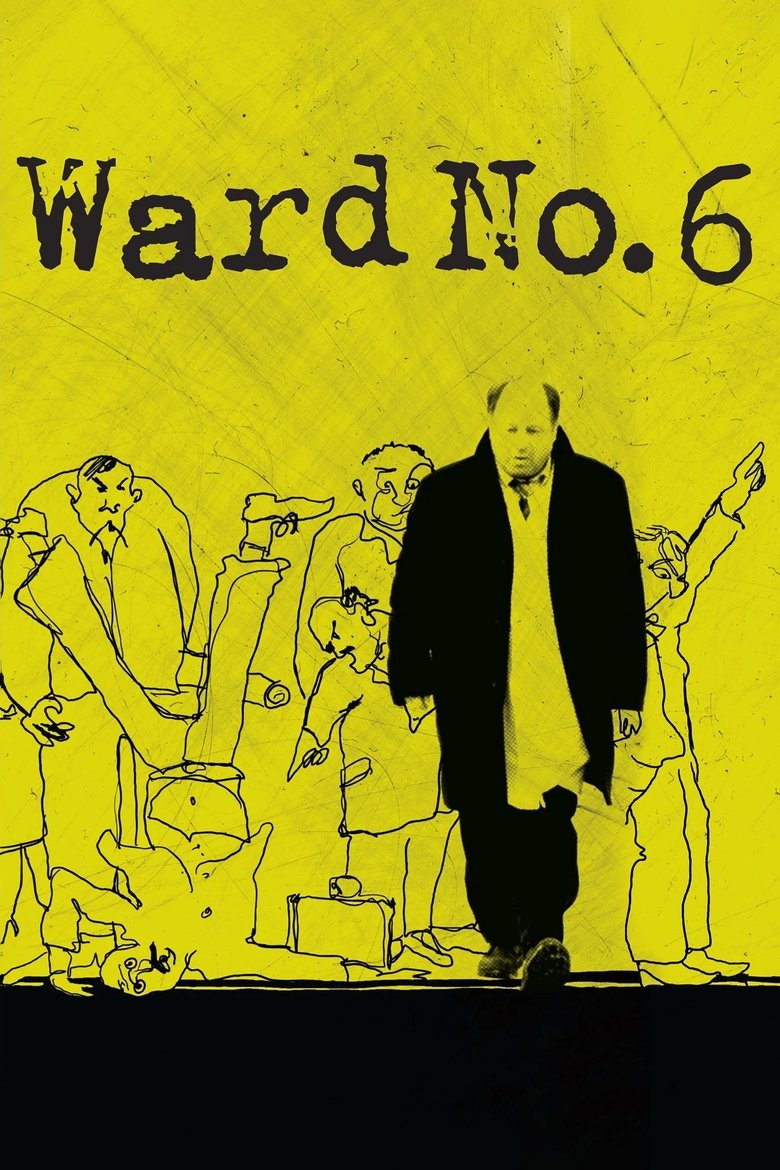
Simultaneously nihilistic and heartening, Ward No. 6 is based on a story by Chekov, in which a psychiatric doctor becomes a patient in his own asylum. Updated to contemporary Russia, the film is a cocktail of anxieties and riddles, showcasing how easy it is to become what we fear most.
Overall Score
Fair
Category Breakdown
LGBTQ+ Representation
The film focuses almost exclusively on male-centric psychological dynamics within a rigid institution. There is no explicit depiction of non-cisnormative identities or narratives designed to critique heteronormativity.
Gender Representation
The narrative operates within a patriarchal medical hierarchy that largely sidelines female agency. However, it challenges traditional masculine authority by portraying established male leadership as potentially delusional or morally bankrupt.
Racial & Ethnic Diversity
Set within a specific Russian socio-cultural context, the cast remains relatively homogeneous. The film focuses on internal class and institutional stratifications rather than diverse ethnic casting.
Religious & Cultural Diversity
The film excels at critiquing institutional power and systemic oppression. It uses Chekhovian themes to deconstruct objective truth, framing the bureaucratic system as an inherently oppressive force.
Disability Representation
The story centers on neurodivergence and mental illness, exploring the agency of those labeled as insane. It avoids tropes by presenting mental illness as a complex, tragic intersection of biology and systemic labeling.
Strengths
Areas for Improvement
AI Analysis
Ward No. 6 is a sophisticated psychological drama that prioritizes the deconstruction of systemic authority over demographic breadth. It succeeds by challenging the legitimacy of established social hierarchies and the stability of institutional order. While the film lacks significant LGBTQ+ and racial diversity, it offers profound progressive value through its nuanced handling of mental disability. The narrative effectively blurs the line between the sane administrator and the marginalized patient. Ultimately, the film's strength lies in its critique of state-driven control, framing the bureaucratic system as a mask for chaos and oppression.
2006

2016

1959

2004
2007

2020

2009

2005
1989

1986

1961

2019
No reviews yet. Be the first to share your thoughts on this movie!
Use the rating form above to leave a star rating and optional review.