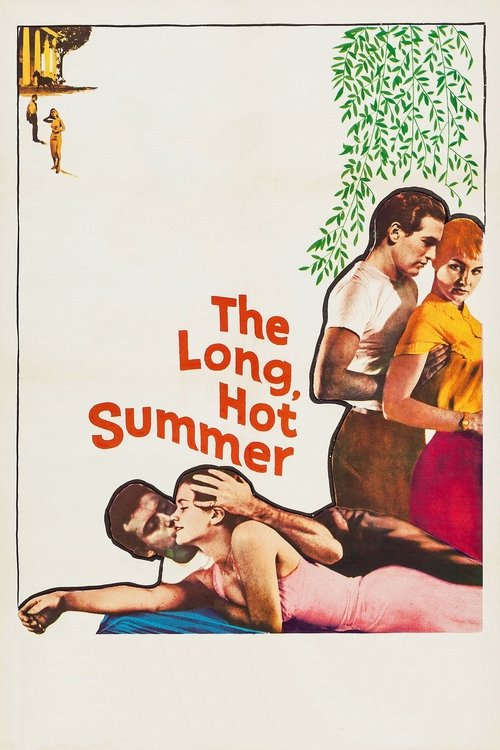
The Long, Hot Summer
1958
No user ratings available yet
Diversity score: 4.7 out of 10

1956
RDirector
Elia Kazan
Runtime
114 minutes
Average Rating
No ratings yetSynopsis
Archie Lee Meighan is a failing cotton gin owner who is married to Baby Doll, a 19-year old childlike beauty whose father arranged the marriage for financial reasons. As Archie awaits the arrival of Baby Doll's 20th birthday, the day that they are supposed to consummate their marriage, he faces interference from business rival Silva Vacarro, who plots to seduce Baby Doll away from Meighan.
Overall Score
Fair
Category Breakdown
LGBTQ+ Representation
The film focuses entirely on heteronormative sexual tension and traditional marriage. There is no presence of queer identities or subtextual representation.
Gender Representation
Baby Doll disrupts mid-century norms by centering female agency and sexuality. The narrative undermines patriarchal control by portraying masculine authority figures as inadequate and struggling.
Racial & Ethnic Diversity
The setting reflects the demographic homogeneity of the 1920s rural South. The cast is predominantly white, lacking racial intersectionality or diverse ethnic identities.
Religious & Cultural Diversity
The story critiques the hypocrisy of religious morality and Southern social decorum. It frames transgressive behavior as a natural impulse against repressive institutional power.
Disability Representation
The film explores psychological neuroses but lacks specific depictions of physical or neurodivergent disabilities as central narrative drivers.
Strengths
Areas for Improvement
AI Analysis
Baby Doll is a film of contradictions, offering deep thematic subversion despite a narrow demographic scope. It succeeds by dismantling mid-century social hierarchies, using its female protagonist to challenge the stability of patriarchal and clerical authority. While the narrative architecture is progressive in its critique of religious and gendered power, it remains tethered to the historical homogeneity of its setting. The film's strength lies in its psychological realism and its willingness to deconstruct traditional Western institutions. Ultimately, the work functions as a sophisticated critique of social decorum. It trades demographic breadth for a sharp, intentional interrogation of individual impulse versus societal expectation.
1958
1957
1997

1958
1958
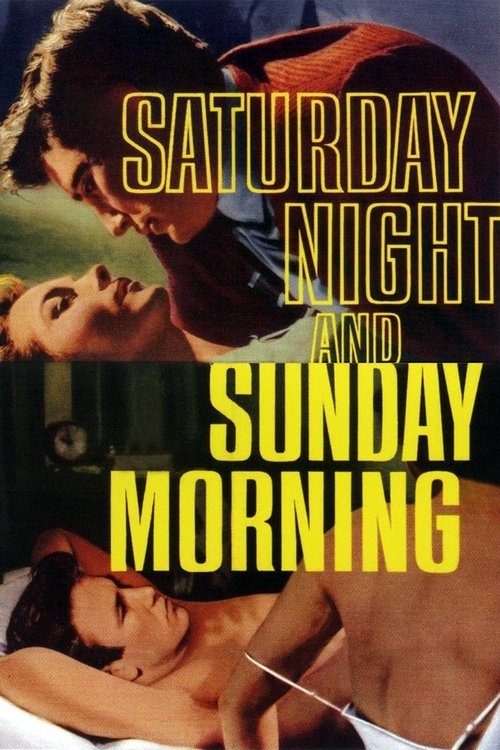
1960
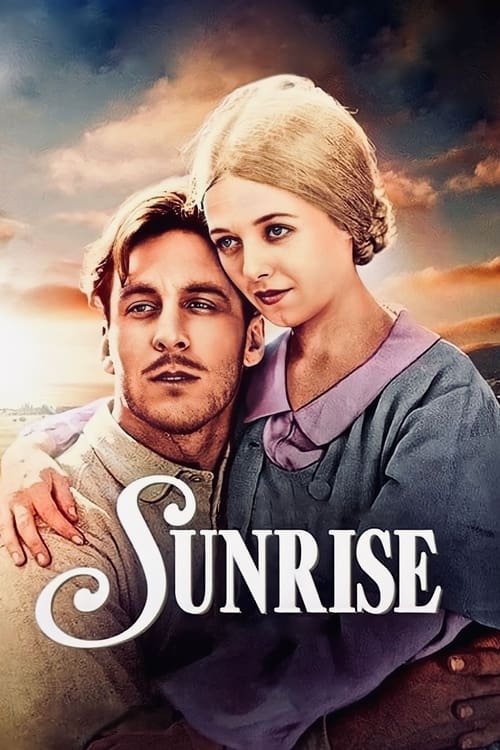
1927
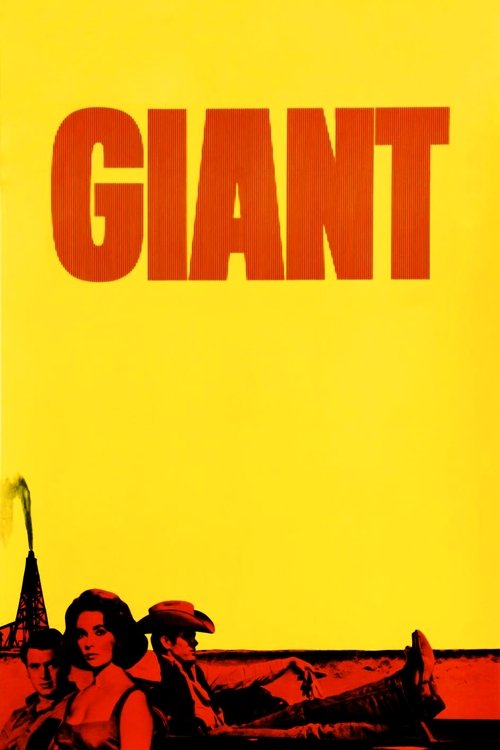
1956
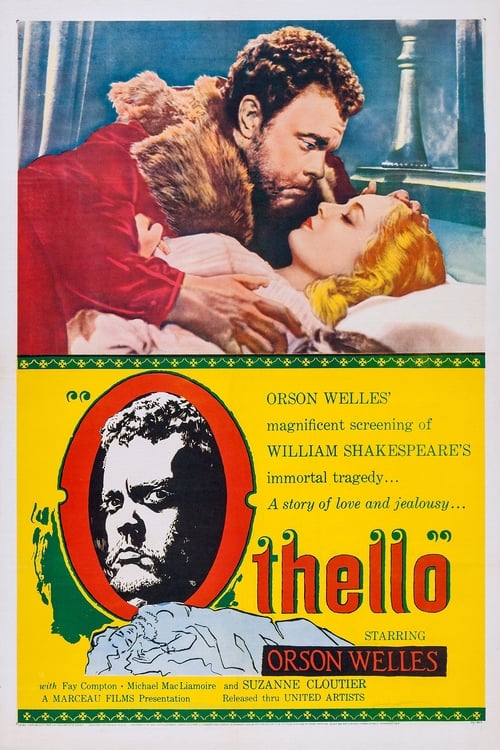
1951
1955
1941

1967
No reviews yet. Be the first to share your thoughts on this movie!
Use the rating form above to leave a star rating and optional review.