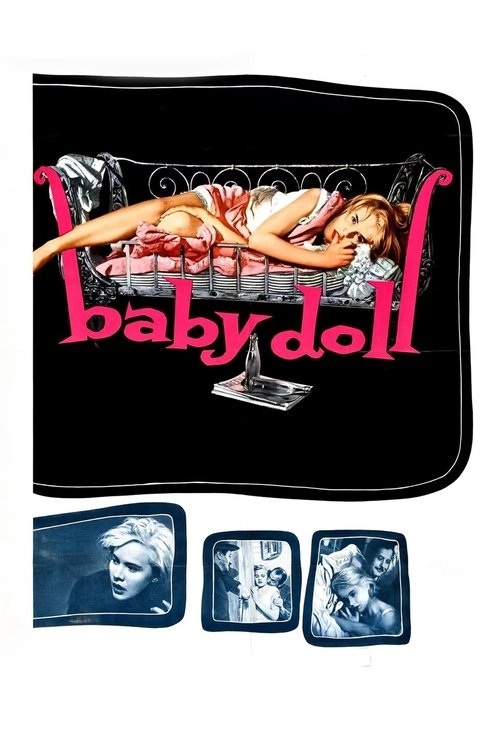
Baby Doll
1956
No user ratings available yet
Representation score: 3.1 out of 10
Representation Score
Limited
1958
ApprovedDirector
Martin Ritt
Runtime
115 minutes
Average Rating
No ratings yetNew Showbiz Analysis
The film's progressive themes come from its critique of patriarchal authority and traditional social norms. By challenging the 'Southern gentleman' archetype, it emphasizes individual freedom over rigid institutional structures. However, the film lacks racial and LGBTQ+ diversity, remaining centered on a homogeneous, white-centric social hierarchy typical of its 1958 setting. Ultimately, it succeeds in its critique of gendered power structures but fails to include broader demographic perspectives.
Category Breakdown
The film focuses solely on heterosexual relationships and does not include any characters with non-binary gender identities or critiques of heterosexuality. There are no representations of LGBTQ+ individuals or issues related to sexual orientation.
Jordan Cameron plays a significant role in driving the story and challenges traditional gender roles. The film portrays the authoritative patriarchal figure as a source of conflict, rather than a positive influence.
The story centers around the white landowning class in the South, with a largely homogeneous cast. Non-white perspectives are missing, reflecting the social constraints of the time.
The narrative criticizes the Southern aristocracy and the patriarchal family structure. It frames social rebellion as a form of liberation from oppressive family traditions using moral relativism.
There are no characters with visible or invisible disabilities. No such identities are portrayed with ability to act or used as plot devices.
Present on Screen
Limited or Absent
Official Synopsis
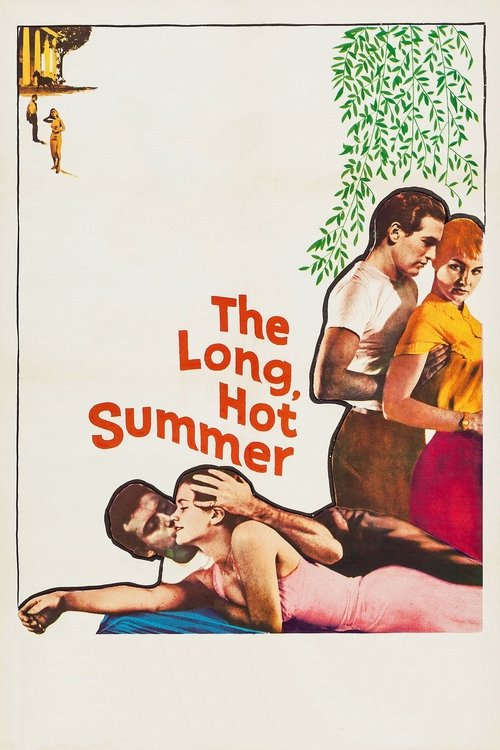
Accused barn burner and conman Ben Quick arrives in a small Mississippi town and quickly ingratiates himself with its richest family, the Varners.
1956
1955
1997

1966

1960
1962

1956

1963
No reviews yet. Be the first to share your thoughts on this movie!
Use the rating form above to leave a star rating and optional review.