Comrades
1987
No user ratings available yet
Representation score: 4.5 out of 10
Representation Score
Limited
1984
Director
Richard Lowenstein
Runtime
101 minutes
Average Rating
No ratings yetNew Showbiz Analysis
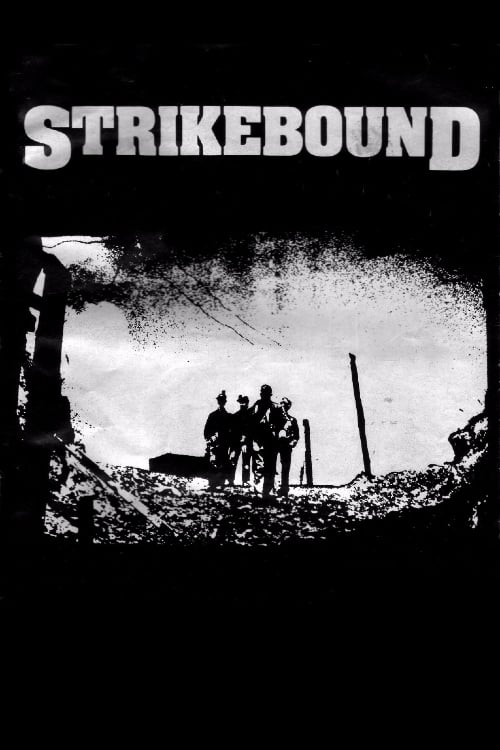
Strikebound is a period drama that highlights the awareness of class issues and the empowerment of the Australian working class. It successfully breaks down traditional hierarchies by focusing on the intellectual development of its female protagonist and the systemic struggles of laborers. However, the film is limited by its historical context, which results in a lack of LGBTQ+ and racial diversity. The narrative centers on a white, straight-centered working-class experience typical of the 1930s setting. Ultimately, the film's strength lies in its cultural and gendered depth, providing a nuanced look at how individual identity intersects with collective political movements.
Category Breakdown
The film does not include any LGBTQ+ characters or stories. The main romantic relationship is between two heterosexual partners, and the plot emphasizes their personal growth.
Agnes is a powerful character who demonstrates strong ability to act. She transitions from religious orthodoxy to labor activism, challenging traditional domestic roles.
The cast is mostly made up of actors representing the same ethnicity, reflecting the 1930s Australian mining town setting. There is no significant racial or ethnic diversity.
The story deeply criticizes traditional religious institutions. It portrays the miners' struggle as a conflict with industrial management and capitalism.
The film does not show any significant representation of visible or invisible disabilities.
Present on Screen
Limited or Absent
Official Synopsis
Via the New York Times: "...reconstructs the true story of a coal miners' strike in the small town of Korumburra in the mid-30's... based on the real-life story of two remarkable characters, Wattie Doig, a miner who became a militant Communist activist, and his wife, Agnes, who progressed from staunch Presbyterianism to membership in the Salvation Army and, finally, to labor organization."
1987
1987

1981
1954
1975

1977

1971

1971
No reviews yet. Be the first to share your thoughts on this movie!
Use the rating form above to leave a star rating and optional review.