
The Courage of the People
1971
No user ratings available yet
Representation score: 4.5 out of 10
Representation Score
Fair
1975
Director
Miguel Littín
Runtime
110 minutes
Average Rating
No ratings yetNew Showbiz Analysis
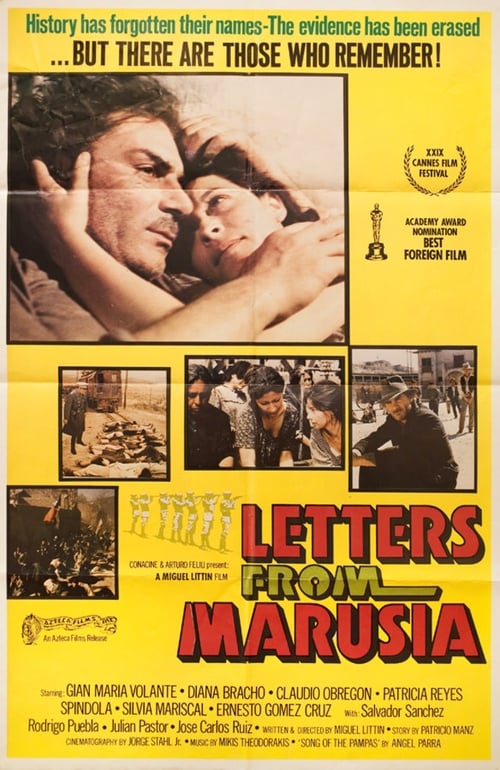
Letters from Marusia serves as a powerful example of cinematic resistance. It disrupts traditional Western power structures and centers the struggle of the Chilean working class against corporate and state oppression. The film's strength lies in its approach to class and gender. By placing a female protagonist at the heart of a labor movement, it connects personal identity with systemic political struggle. While the narrative lacks explicit LGBTQ+ or disability-focused representation, it succeeds as a decolonial work. It challenges traditional institutions through a revolutionary lens.
Category Breakdown
The film focuses on the struggles of the nitrate mining community and its female protagonist. There are no LGBTQ+ characters or non-straight narratives present.
The narrative centers Marusia as the emotional and narrative anchor of a political movement. This gives women a leading role rather than portraying them as passive observers.
The film offers a strong depiction of Chilean working-class identity. It highlights the specific cultural landscape of Northern Chile, emphasizing the lives of its residents.
The story critiques capitalist and authoritarian systems. It portrays the miners' rebellion as a fight for human rights against exploitative corporations and military forces.
There is no significant portrayal of physical or neurodivergent disabilities within the film's historical and social context.
Present on Screen
Limited or Absent
Official Synopsis
Chronicle of the repression that a foreign company exerts on the miners of a small nitrate town in Chile, whose workers decide to claim their most essential rights. A reflection of the historic union struggles in the northern Chile that ended with terrible repressive acts.
1971
1954
1987

1985

1978

1977

2019
1993
No reviews yet. Be the first to share your thoughts on this movie!
Use the rating form above to leave a star rating and optional review.