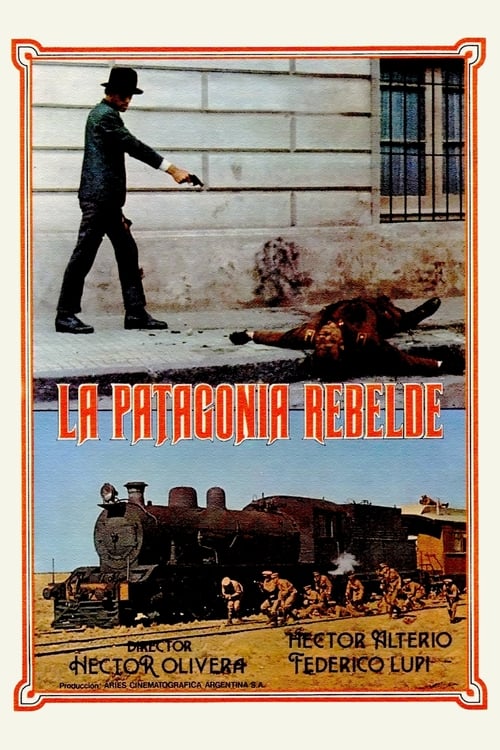
Rebellion in Patagonia
1974
No user ratings available yet
Representation score: 3.6 out of 10

Representation Score
Fair
1970
PGDirector
Martin Ritt
Runtime
120 minutes
Average Rating
No ratings yetNew Showbiz Analysis
The Molly Maguires serves as a powerful social critique that elevates the immigrant working class to a central role. By framing the 19th-century industrial era through class struggle, the film challenges traditional narratives of American expansion. However, the film is constrained by the period's social structures. The narrative remains heavily male-dominated, and there is no representation of LGBTQ+ identities or queer subtext. Ultimately, the film's strength lies in its ethnic and cultural depth. It provides a nuanced look at the friction between labor and capital, prioritizing the survival of the oppressed over existing social orders.
Category Breakdown
The film focuses solely on the heterosexual and cisgender structures of 1870s immigrant families. There is no presence of LGBTQ+ subtext or diverse identities within the narrative.
The story centers around a male-dominated hierarchy focused on labor rights. Women provide emotional depth within domestic settings, but they lack the power to drive the political plot.
The film excels by highlighting the Irish diaspora and challenges Anglo-Saxon dominance. It portrays immigrant miners as a cohesive group with distinct cultural identity and influence.
The narrative offers a sophisticated critique of unchecked capitalism and industrial corruption. It frames the judicial system as an instrument of institutionalized violence, deconstructing the American Dream.
The physical toll of mining is an implicit presence throughout the film. Characters' bodies reflect labor-induced exhaustion, serving as markers of class rather than specific disability arcs.
Present on Screen
Limited or Absent
Official Synopsis
Schuylkill County, Pennsylvania, 1876. A secret society of Irish coal miners, bond by a sacred oath, put pressure on the greedy and ruthless company they work for by sabotaging mining facilities in the hope of improving their working conditions and the lives of their families.
1974
1987

1977
1954
1979
1963

1977
1993
No reviews yet. Be the first to share your thoughts on this movie!
Use the rating form above to leave a star rating and optional review.