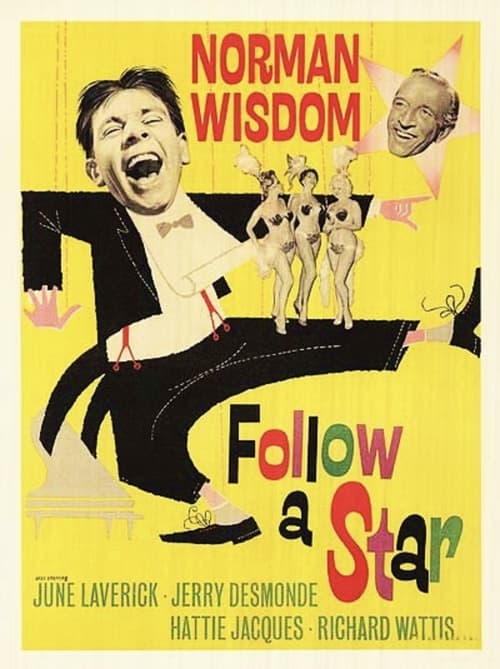
Follow a Star
1959
No user ratings available yet
Diversity score: 3.2 out of 10

1986
Director
Vitali Aksyonov
Runtime
142 minutes
Average Rating
No ratings yetSynopsis
An entertaining show featuring various artists. A wise parrot teaches Maxim Leonidov - the leader of 'Secret', a very popular group at the time - how to become a star.
Overall Score
Limited
Category Breakdown
LGBTQ+ Representation
The film lacks evidence of LGBTQ+ characters or narratives. It appears to operate within the traditional social norms of 1986 Soviet cinema.
Gender Representation
While female cast members are present, their roles likely follow established social archetypes. There is no indication of subverting traditional gender hierarchies.
Racial & Ethnic Diversity
The production centers on a relatively homogeneous Slavic cast. The narrative focuses on the internal dynamics of the musical group 'Secret.'
Religious & Cultural Diversity
The story celebrates artistic pursuit through a fable-like lens. It aligns with the era's emphasis on communal entertainment and professional excellence.
Disability Representation
There is no documented evidence of characters with physical or neurodivergent disabilities in the cast or synopsis.
Strengths
Areas for Improvement
AI Analysis
How to Become a Star is a product of its time, reflecting the conventional social and cultural norms of mid-1980s Soviet media. The film prioritizes musical comedy and mainstream entertainment over the disruption of identity-based hierarchies. The narrative architecture focuses on the pursuit of stardom and the internal dynamics of a musical group. This approach results in a production that adheres to the period's standard social structures rather than challenging them. Ultimately, the film serves as a celebration of professional excellence within a structured society. It lacks the intentional diversity or systemic critique found in more modern, inclusive productions.
1959
1988
1999

1979

1936
1959
1970

2023
1957
2008

2007

1967
No reviews yet. Be the first to share your thoughts on this movie!
Use the rating form above to leave a star rating and optional review.