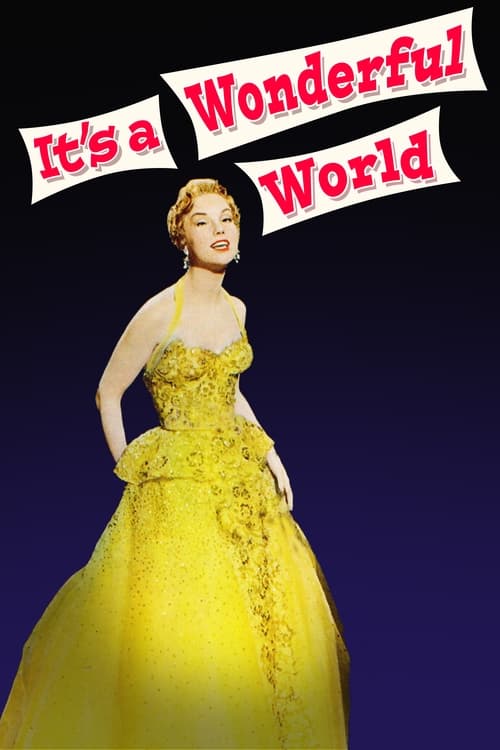
It's a Wonderful World
1956
No user ratings available yet
Representation score: 0.5 out of 10
Representation Score
Limited
1959
Director
Robert Asher
Runtime
102 minutes
Average Rating
No ratings yetNew Showbiz Analysis
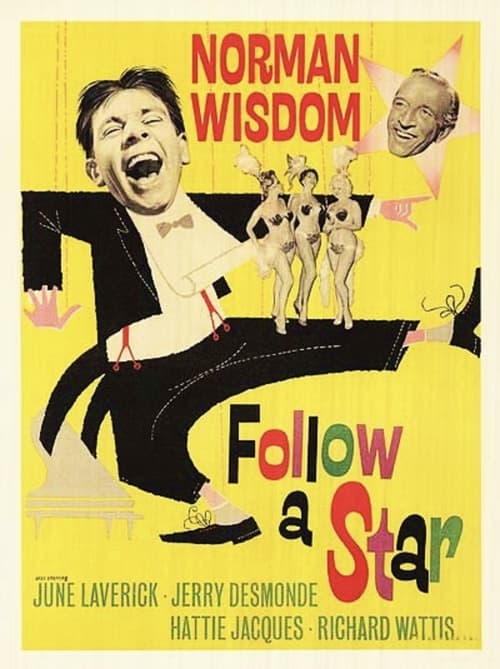
Follow a Star is a conventional mid-century musical comedy that emphasizes traditional professional goals. The story revolves around a rivalry between a retail employee and a declining singer, following a standard success arc. The film adheres to the social and demographic norms of 1959. It does not attempt to challenge existing hierarchies or engage with diverse identities, instead favoring a predictable, merit-based narrative. Ultimately, the work reflects the cultural norms of its time, highlighting individual talent and social mobility within a narrow, homogeneous cultural framework.
Category Breakdown
The film does not include any LGBTQ+ characters or stories that challenge the assumption that everyone is straight or cisgender. It follows a typical professional rivalry storyline set in the social context of 1959.
The story focuses on the professional ambitions of two male characters. While it is not overtly sexist, it reinforces traditional gender roles by centering the competition between men.
Reflecting the homogenous casting practices of the 1950s British film industry, the film lacks characters representing different racial or ethnic backgrounds. The narrative emphasizes social class over diversity.
The plot follows a traditional story arc centered on individual achievement and fame. It operates within established capitalist frameworks without challenging traditional institutions or Western values.
There is no information about the portrayal of physically or neurodivergent characters. No data is available to assess the representation of disabilities in this work.
Present on Screen
Limited or Absent
Official Synopsis
Norman Truscott is a store worker who dreams of stardom. Vernon Carew is a singer whose star is fading. Vernon manages to get a recording of Norman singing and passes it off as himself.
1956
1963
1959
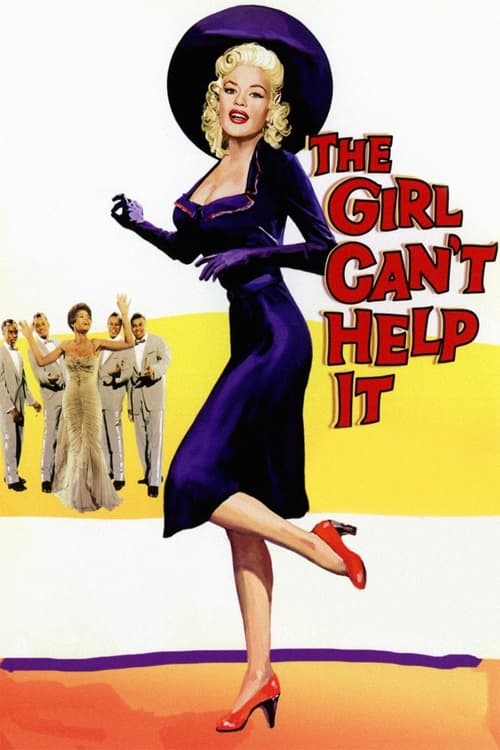
1956
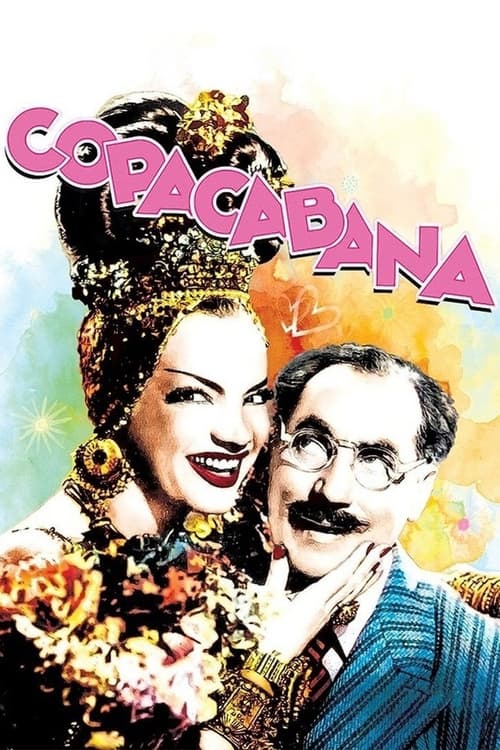
1947

1937
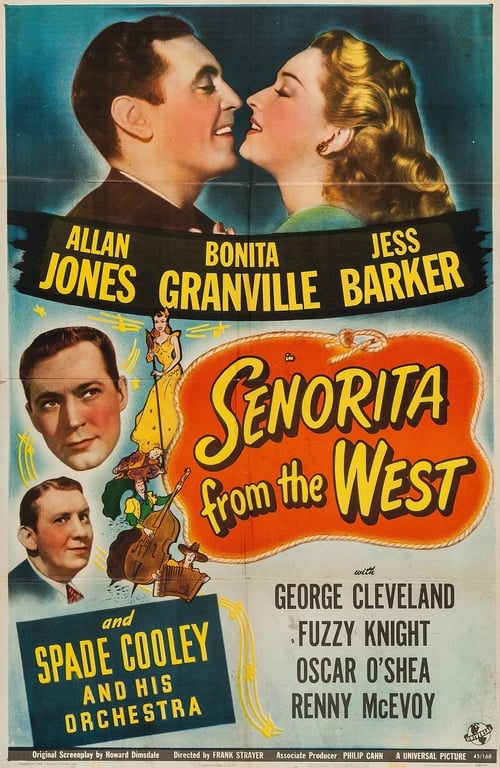
1945
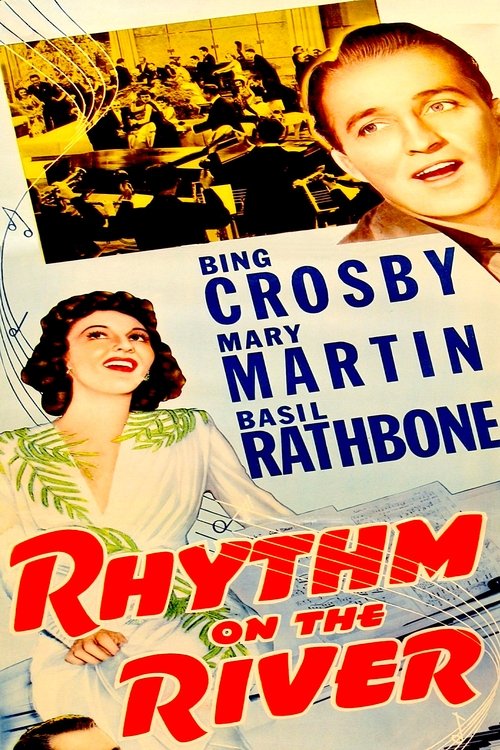
1940
No reviews yet. Be the first to share your thoughts on this movie!
Use the rating form above to leave a star rating and optional review.