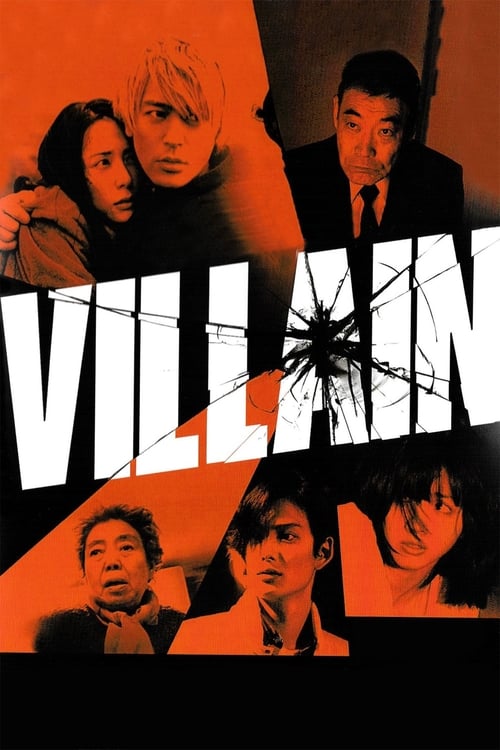
Villain
2010
No user ratings available yet
Representation score: 6.4 out of 10

Representation Score
Limited
2010
R15+Director
Kazuyuki Izutsu
Runtime
134 minutes
Average Rating
No ratings yetNew Showbiz Analysis
The Hero Show explores the lives of individuals living in economic precarity by centering on characters like 'freeters' and former soldiers. By avoiding traditional heroic clichés, the film opts for a gritty realism that delves into socio-economic issues. While the film lacks representation of LGBTQ+ or disability issues, it provides a detailed look at socio-economic struggles. It challenges conventional social structures by highlighting moral complexity and the hardships faced by underrepresented individuals. Ultimately, the film serves as a character-driven exploration of those living on the fringes of society, emphasizing the struggles of the disenfranchised over idealized or mainstream narratives.
Category Breakdown
The film does not include any visible representation of LGBTQ+ characters or non-straight relationships. There is no mention of queer narratives or characters with non-straight identities.
The story focuses on male protagonists, which may reflect traditional gender roles. However, it challenges typical masculine archetypes by showing a former soldier turning to criminal activities.
As a Japanese production, the film concentrates on specific social classes within Japan. It highlights socio-economic differences within the country rather than a broader racial diversity.
The narrative critiques capitalist stability by focusing on the 'freeter' class. It examines the systemic struggles and the rejection of mainstream Japanese work ethics.
There is no information available regarding the presence of visible or invisible disabilities in this film.
Present on Screen
Limited or Absent
Official Synopsis
Two men, a freeter (played by Shusuke Fukutoku) and a man who used to be a non-combat solider (played by Junpei Goto), becomes involved in a cruel crime.
2010
2000

2016

1990

2015
2018
1995

1967
No reviews yet. Be the first to share your thoughts on this movie!
Use the rating form above to leave a star rating and optional review.