Sure Death
1984
No user ratings available yet
Representation score: 4.2 out of 10
Representation Score
Limited
2015
Director
Tomoyuki Takimoto
Runtime
119 minutes
Average Rating
No ratings yetNew Showbiz Analysis
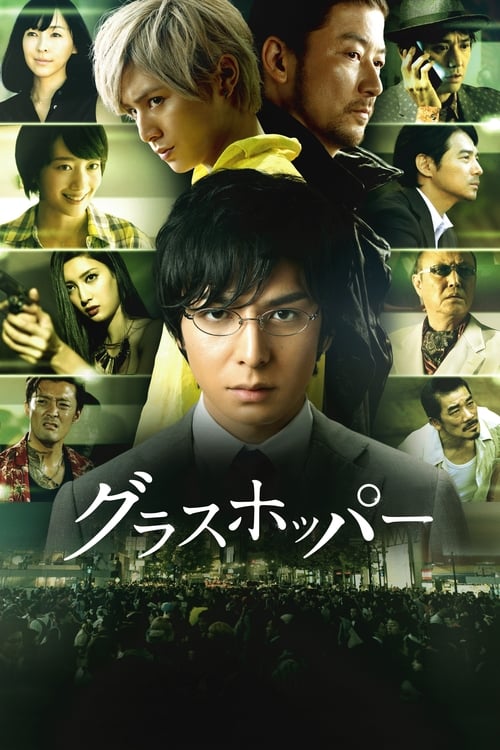
Grasshopper functions as a character study of professional criminality, adhering closely to traditional crime-thriller conventions. The narrative structure prioritizes individualistic masculine arcs and personal vengeance over the way different parts of someone's identity overlap. The film relies on established clichés, such as the 'lone wolf' and the 'avenger,' to drive its plot. While it explores psychological instability, it lacks a broader sociopolitical critique or a diverse range of identities. Ultimately, the work serves as a genre-focused drama rather than a vehicle for progressive social commentary or systemic deconstruction.
Category Breakdown
The story revolves around a heterosexual romantic tragedy where the main female character dies. There is no representation of non-straight or non-cisgender identities or narratives that challenge the assumption that everyone is straight or cisgender.
The film focuses on male protagonists driven by vengeance and professional lethality. A female character provides emotional weight, but her role is defined by victimization rather than playing a significant role in driving the story.
As a Japanese production, the film features a predominantly homogenous cast. It maintains a standard demographic profile for a domestic crime thriller without utilizing diverse ethnic blending.
The narrative explores the underground criminal world through the lens of personal vendettas. It prioritizes individual morality over an explicit critique of societal or institutional structures.
No visible or invisible disabilities are portrayed as central character traits or elements of ability to act. There is no information available to assess this category.
Present on Screen
Limited or Absent
Official Synopsis
Movie contains the stories of three people: Suzuki (Toma Ikuta), Kujira (Tadanobu Asano) and Semi (Ryosuke Yamada). Suzuki is a former middle school teacher. His girlfriend was killed, which led him to quit his job and attempt to take revenge on her murderer. To do so, Suzuki has to infiltrate the underground world of criminals. Kujira is a contract killer for hire. He makes his targets fall into confusion and eventually commit suicide. Semi is a contract killer who uses the knife to take out his targets.
1984
1967
1996
1998
1994
2018
2003
2016
No reviews yet. Be the first to share your thoughts on this movie!
Use the rating form above to leave a star rating and optional review.