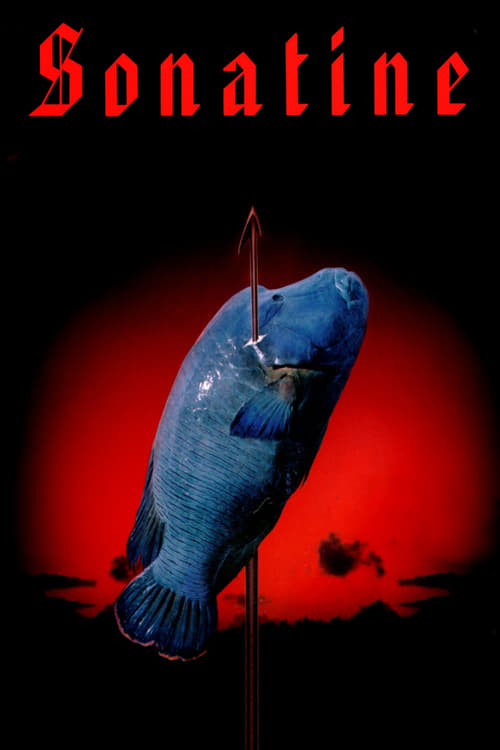
Sonatine
1993
No user ratings available yet
Representation score: 0.8 out of 10

Representation Score
Limited
1990
Not RatedDirector
Takeshi Kitano
Runtime
96 minutes
Average Rating
No ratings yetNew Showbiz Analysis
Boiling Point is a traditional genre piece that prioritizes masculine honor and criminal hierarchies. The narrative structure relies on conventional crime drama clichés, offering very little room for multi-layered representation. The film functions primarily as a character study of men navigating a rigid, violent social order. It adheres to established social structures rather than attempting to challenge familiar patterns. Because the focus remains strictly on the internal mechanics of the Yakuza ecosystem, the film lacks breadth in its social and demographic exploration.
Category Breakdown
The film focuses on a hyper-masculine underworld environment and does not include any LGBTQ+ characters or narratives that challenge the assumption that everyone is straight or cisgender.
The narrative is almost entirely driven by male characters, emphasizing the violent trajectories of men within the Yakuza ecosystem. It lacks significant women's ability to drive the story, reinforcing traditional hierarchies where men control the story.
The cast is predominantly homogeneous, consistent with the period and genre. Even when the setting shifts to Okinawa, the film does not use diverse casting to disrupt demographic expectations.
The story explores systemic debt and the cyclical nature of retribution within a specific criminal subculture. It lacks a broader systemic critique of Western institutions or frameworks.
There is no evidence of characters using visible or invisible disabilities as central plot drivers or through the lens of their own choices.
Present on Screen
Limited or Absent
Official Synopsis
Masaki, a baseball player and gas-station attendant, gets into trouble with the local Yakuza and goes to Okinawa to get a gun to defend himself. There he meets Uehara, a tough gangster, who is in serious debt to the yakuza and planning revenge.
1993
1996

1997
1974
2007
1989
2010
1999
No reviews yet. Be the first to share your thoughts on this movie!
Use the rating form above to leave a star rating and optional review.