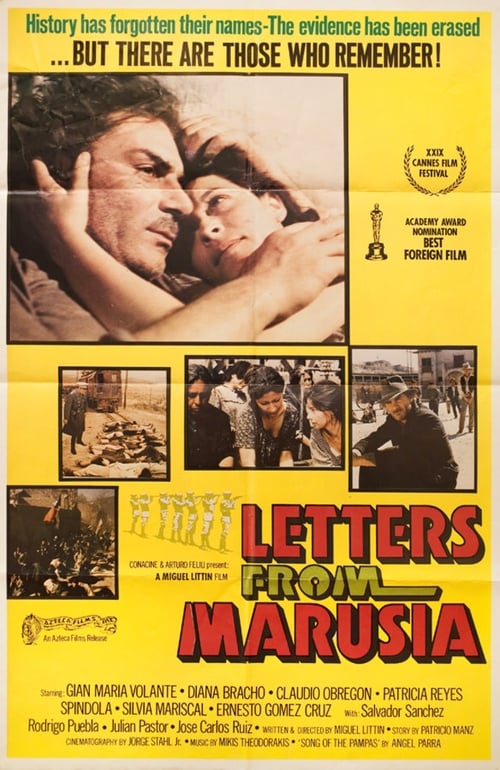
Letters from Marusia
1975
No user ratings available yet
Representation score: 4.9 out of 10

Representation Score
Fair
1971
Director
Jorge Sanjinés
Runtime
94 minutes
Average Rating
No ratings yetNew Showbiz Analysis
Jorge Sanjinés delivers a seminal work of decolonial cinema that fundamentally disrupts conventional historical documentary. By integrating the indigenous experience as the core of the political struggle, the film moves beyond mere observation to center identity-based power dynamics. The narrative structure effectively dismantles colonial legacies by framing resistance against state authority as a necessary act of decolonization. It prioritizes grassroots mobilization over individualist Western ideals, making it a sophisticated tool for political expression. While the film excels in racial and cultural representation, it remains focused on class and ethnic struggle. This narrow historical lens results in a lack of visibility for LGBTQ+ identities and specific gender-based subversions.
Category Breakdown
The film focuses on communal and class-based struggles within a specific historical context. There is no evidence of LGBTQ+ characters or narratives addressing non-straight relationships.
Women appear as active participants in the agrarian and social fabric of the community. However, the narrative prioritizes collective labor over challenging specific gender hierarchies.
This work serves as a landmark of indigenous ability to act. By centering the indigenous Bolivian peasantry, the film rejects the white savior cliché and presents indigenous subjects as central protagonists.
The film provides a profound critique of capitalist structures and the exploitative latifundio system. It utilizes a decolonial framework to challenge the legitimacy of colonial-era power dynamics.
There is no significant evidence regarding the portrayal of specific disabilities within the historical context or synopsis provided.
Present on Screen
Limited or Absent
Official Synopsis
A documentary reenactment of the government-ordered massacre of striking tin miners and their families at the Siglo XX Mines in 1967 in Bolivia.
1975

1977
2019

2020

2014

1985
1963
2014
No reviews yet. Be the first to share your thoughts on this movie!
Use the rating form above to leave a star rating and optional review.