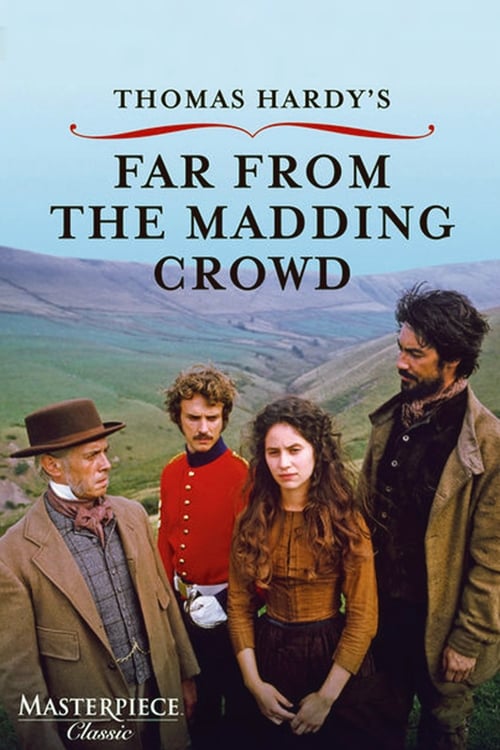
Far from the Madding Crowd
1998
No user ratings available yet
Representation score: 5.1 out of 10
Representation Score
Limited
1998
Director
Ian Sharp
Runtime
180 minutes
Average Rating
No ratings yetNew Showbiz Analysis
This adaptation of Thomas Hardy’s novel focuses on the socioeconomic and moral conflicts of late 19th-century England. Although the cast lacks diversity in terms of race and sexual orientation, the film excels in its thematic critique of authority. By using its period setting, the film critiques the hypocrisy of Victorian institutions. It examines how rigid social and religious hierarchies affect individual freedom and survival. Ultimately, the film’s strength lies in its intellectual critique of class and gendered morality rather than its visual diversity.
Category Breakdown
The film does not include any queer narratives or non-cisgender identities. There are no non-traditional gender roles or relationships represented.
The story positions Tess as a victim of unfair gender standards, highlighting the disparity in sexual autonomy between men and women. It critiques the unequal treatment based on gender.
The cast primarily consists of actors who match the historical setting of 19th-century Wessex. The film does not use diverse casting to address these demographic norms.
The film provides a deep critique of the religious and moral standards of Victorian society. It points out the contradictions in absolute social laws and institutional norms.
There are no prominent portrayals of physical or neurological disabilities. Characters with disabilities are not central to the plot.
Present on Screen
Limited or Absent
Official Synopsis
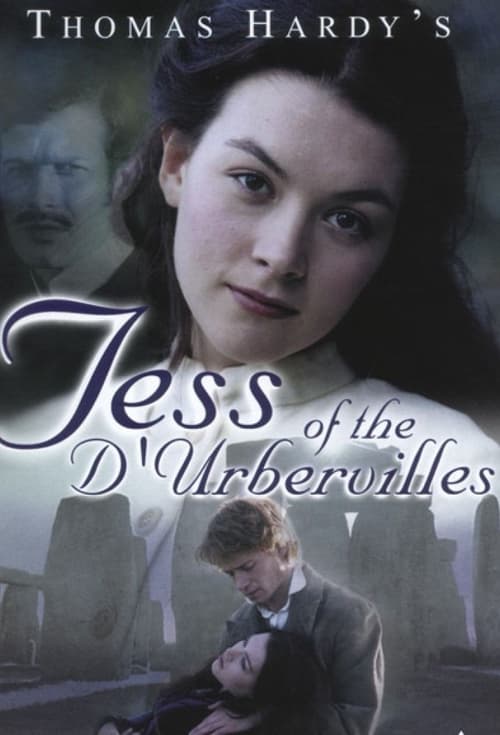
Thomas Hardy's classic epic remains one of the most popular novels, this TV adaptation vividly depicts the powerful tale of a peasant girl whose life is torn apart by the love and jealousy of two men. Justine Waddell stars as the hapless Child of Nature who is tossed around by the dark forces of fate. Jason Flemyng is the dark and sinister Alec D'Urberville whose relentless pursuit of Tess triggers the heroine's downfall. Oliver Milburn plays the handsome young Angel Clare, the caring rebel who falls deeply in love with Tess.
1998
1967
1994
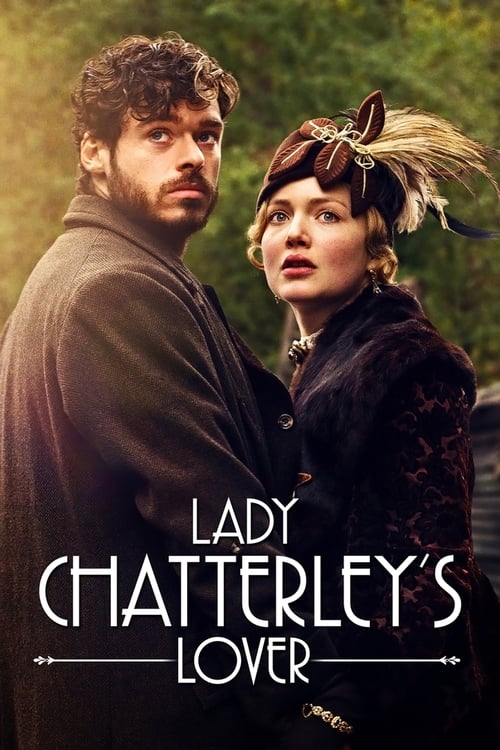
2015
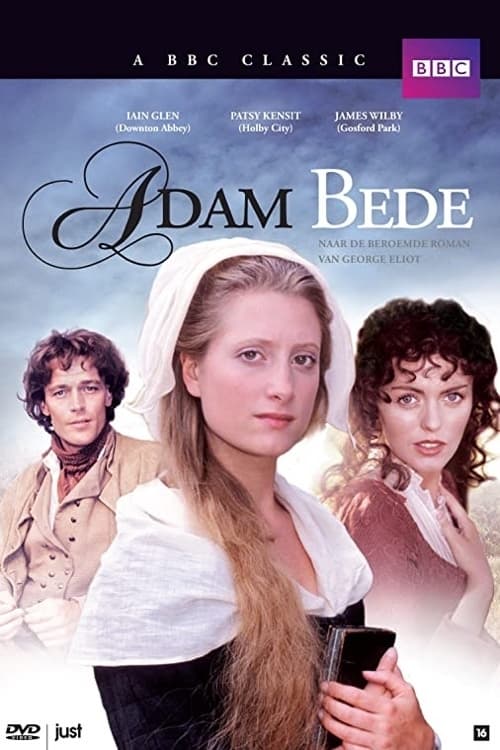
1992
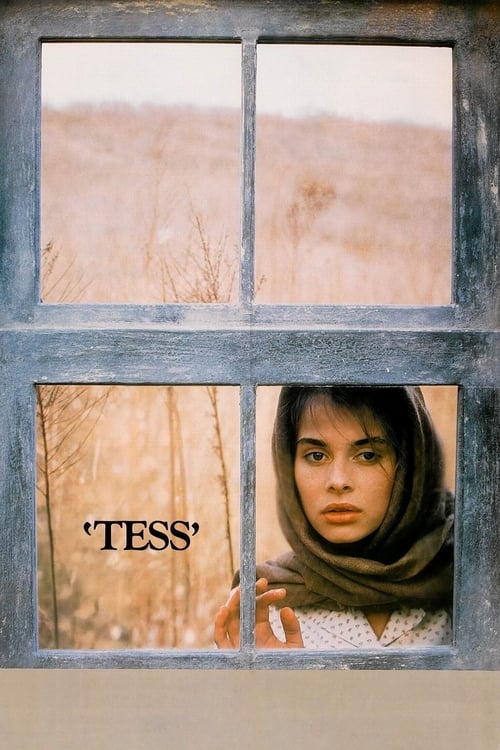
1979
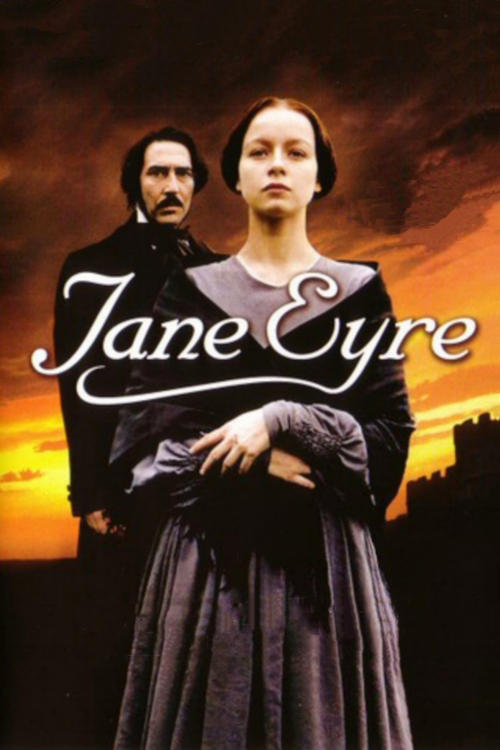
1997

1996
No reviews yet. Be the first to share your thoughts on this movie!
Use the rating form above to leave a star rating and optional review.