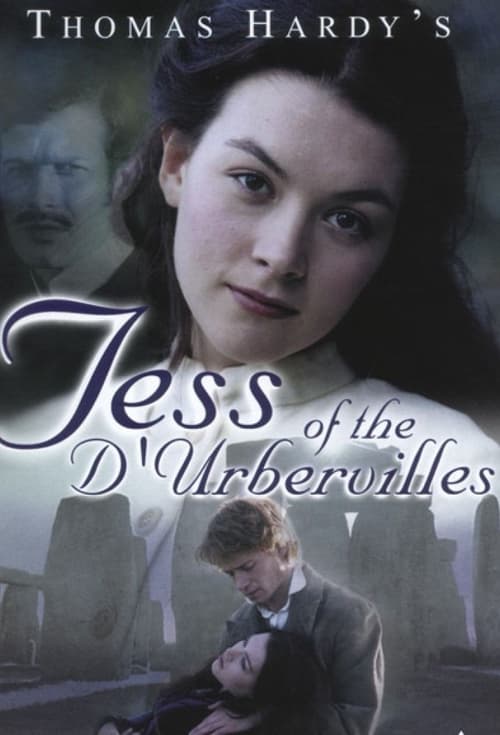
Tess of the D'Urbervilles
1998
No user ratings available yet
Representation score: 2.9 out of 10
Representation Score
Fair
1998
Director
Nicholas Renton
Runtime
216 minutes
Average Rating
No ratings yetNew Showbiz Analysis
This adaptation stands out by challenging the traditional gender roles of the Victorian era. By positioning Bathsheba Everdene as an economically independent woman and estate manager, the film defies the era's restrictive gender norms and emphasizes her role in driving the narrative. However, the film remains rooted in a historically homogeneous demographic. Reflecting the limitations of its 19th-century setting, the film lacks racial, ethnic, and LGBTQ+ diversity. The narrative operates within a strictly homogenous and traditional framework. Ultimately, the film focuses on individual autonomy against rigid social structures. While it effectively portrays shifts in gender power dynamics, it offers limited representation of disabilities or multicultural perspectives.
Category Breakdown
The film follows the strict social structures of the Victorian era, with no representation of LGBTQ+ identities or same-sex relationships. There are no non-binary gender identities either.
Bathsheba Everdene challenges traditional gender roles by managing an estate and being a key economic figure. Her intelligence and leadership drive the plot, subverting the typical submissive female role.
The cast is made up mostly of white actors, reflecting the historical context of 19th-century England. There is no attempt to include actors from diverse racial backgrounds.
The story explores the tension between personal desires and societal rules. It highlights the constraints and sometimes harshness of the social and class systems of the time.
There is no representation of physical or mental disabilities. Characters are defined by their socioeconomic status and romantic relationships rather than any form of disability.
Present on Screen
Limited or Absent
Official Synopsis
This powerful adaptation of Thomas Hardy's classic novel spins a story of passion and destruction set in the nineteenth century. The proud, flighty and bewitching Bathsheba Everdene finds herself entangled into the passions of three men and her impulsive nature pushes her into a web of deceit and destruction.
1998
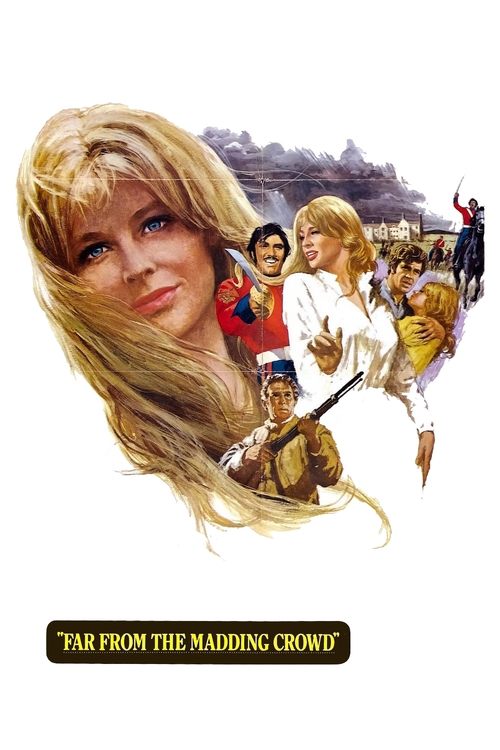
1967
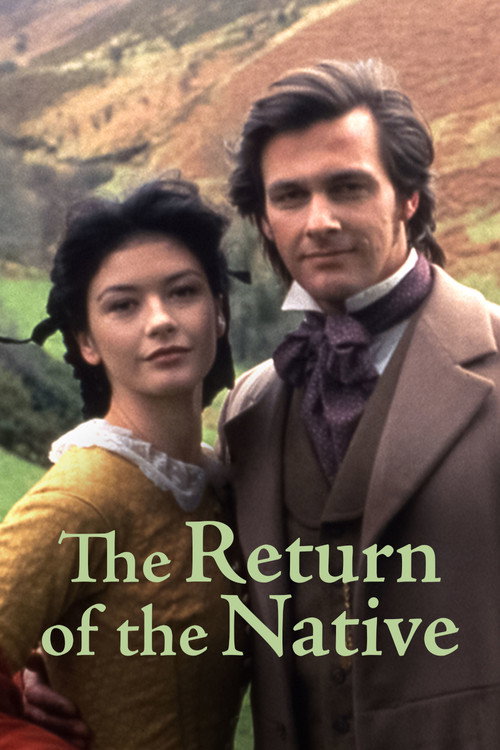
1994
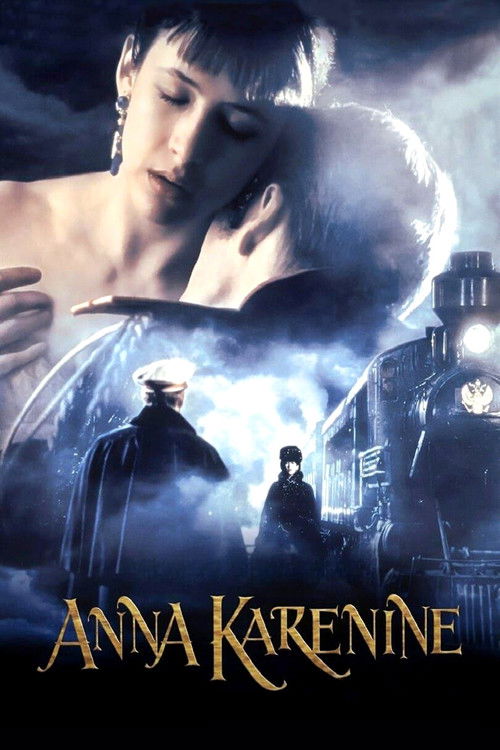
1997
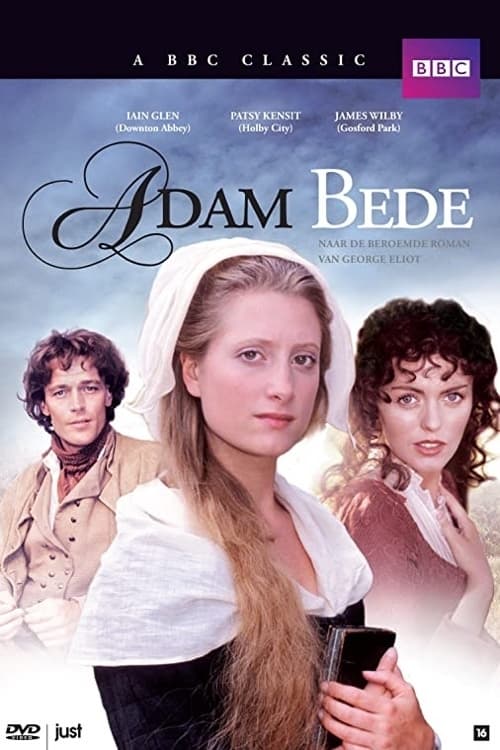
1992
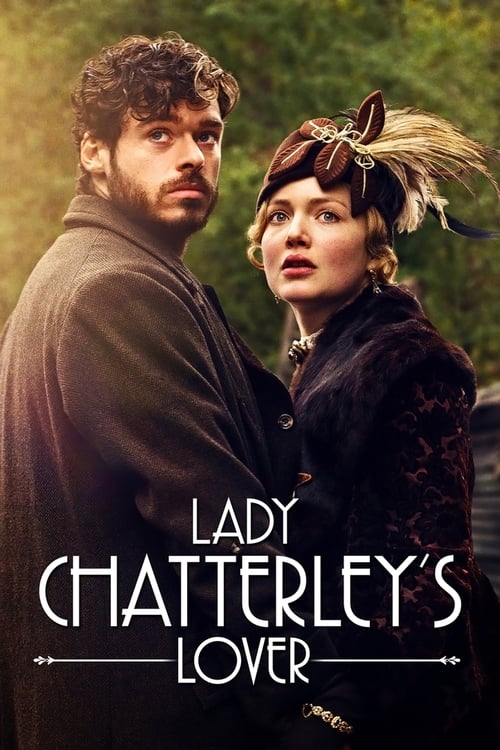
2015

1985
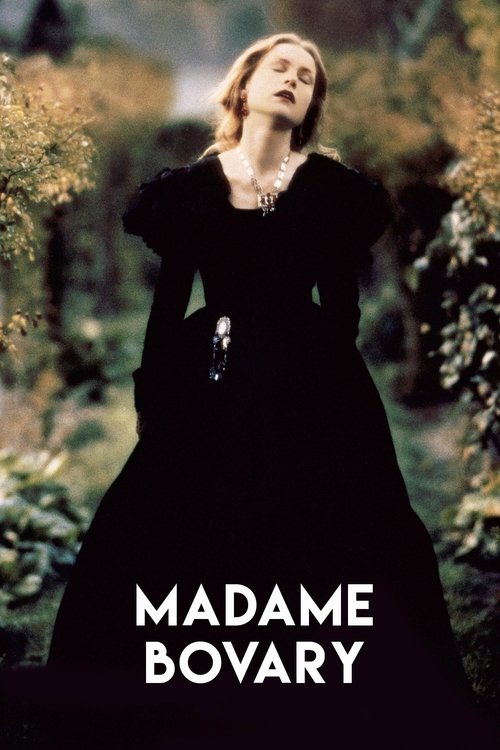
1991
No reviews yet. Be the first to share your thoughts on this movie!
Use the rating form above to leave a star rating and optional review.