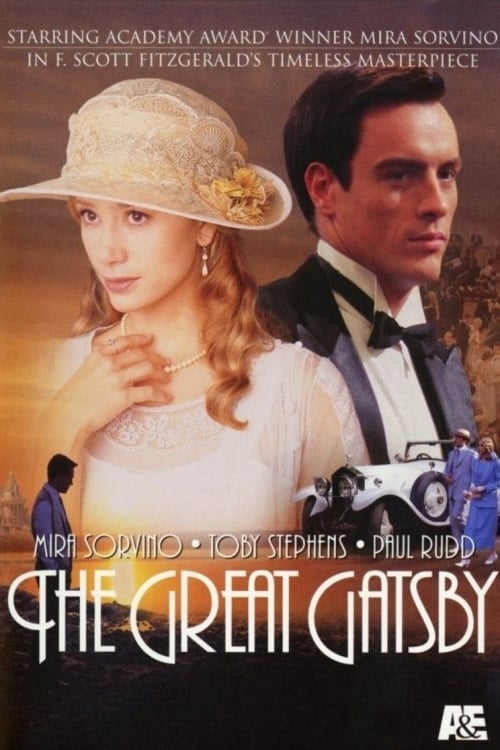
The Great Gatsby
2000
No user ratings available yet
Diversity score: 2.9 out of 10

1968
Director
Orson Welles
Runtime
63 minutes
Average Rating
No ratings yetSynopsis
An aged, wealthy trader plots with his servant to recreate a maritime tall tale, using a local woman and an unknown sailor as actors.
Overall Score
Minimal
Category Breakdown
LGBTQ+ Representation
The film lacks any depiction of non-cisnormative identities. Interpersonal dynamics follow conventional heteronormative patterns consistent with the era's production standards.
Gender Representation
The narrative centers on a male protagonist and a female character within traditional power dynamics. Female characters function within established social roles and lack the agency to disrupt gendered expectations.
Racial & Ethnic Diversity
The production features a homogeneous cast reflecting its rural English setting. There is an absence of color-blind casting or the inclusion of non-Anglo-Saxon characters.
Religious & Cultural Diversity
The film explores themes of communal secrecy and the tension between an outsider and a closed community. It relies on traditional dramatic tropes rather than systemic deconstruction.
Disability Representation
There are no visible or invisible disabilities portrayed with agency. The primary character arcs lack neurodivergent representation.
Strengths
Areas for Improvement
AI Analysis
The Immortal Story functions as a stylistic exercise in atmospheric drama rather than a vehicle for social commentary. The narrative is tethered to a localized European framework that prioritizes theatricality over demographic exploration. While the film explores the artifice of storytelling, it fails to engage with intersectional identities or modern sociopolitical frameworks. The cast and character dynamics remain strictly within the traditionalist norms of 1968 television drama. Ultimately, the work lacks the agency-driven marginalized characters or the subversion of institutional hierarchies necessary to challenge systemic social structures.
2000

2006
2013
1976
No reviews yet. Be the first to share your thoughts on this movie!
Use the rating form above to leave a star rating and optional review.