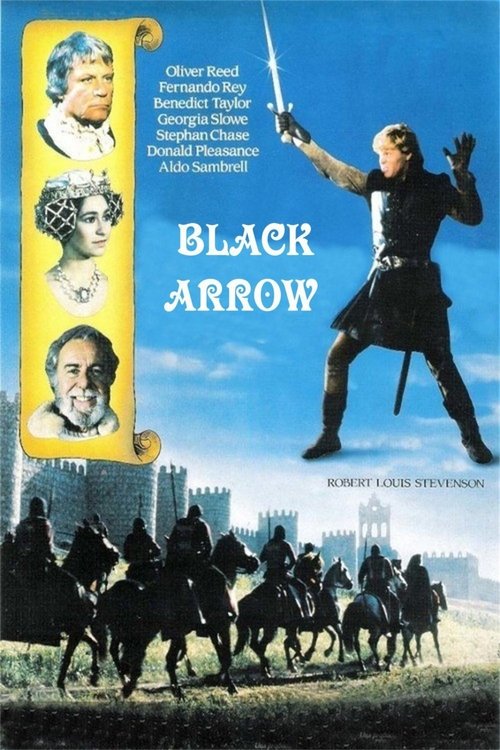
Black Arrow
1985
No user ratings available yet
Diversity score: 3.1 out of 10
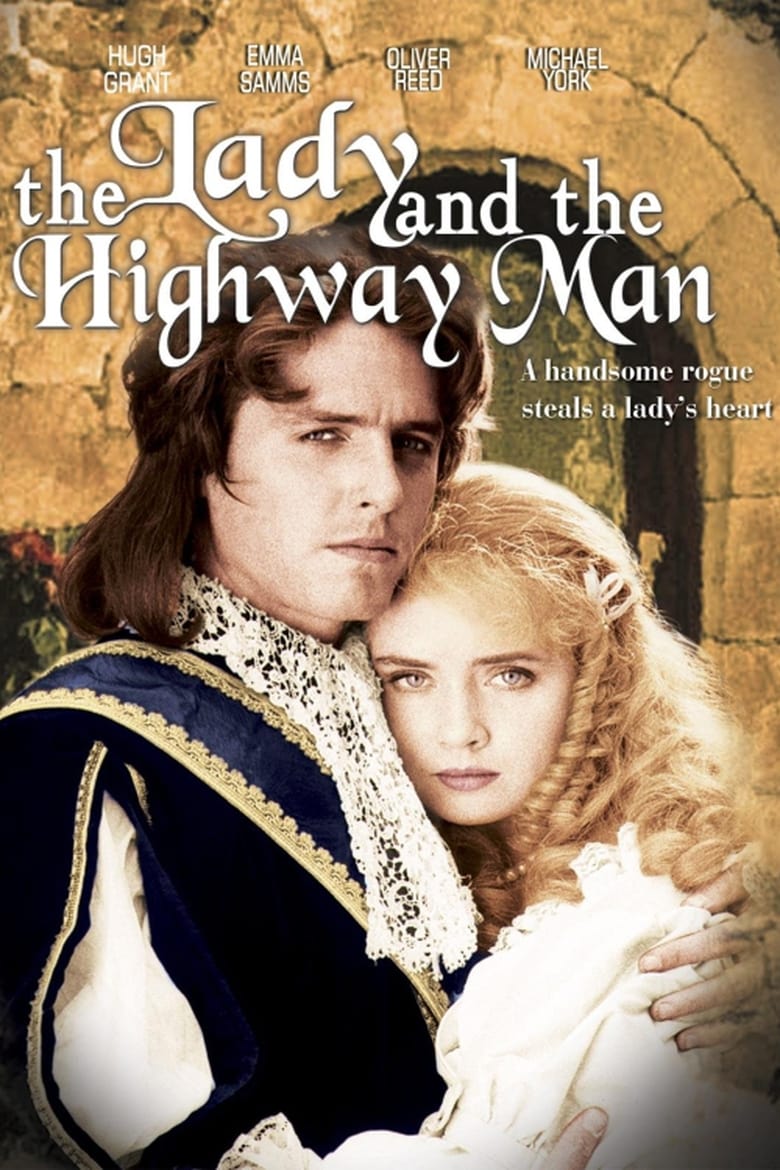
1988
Director
John Hough
Runtime
90 minutes
Average Rating
No ratings yetSynopsis
Set in old England, Hugh Grant ("Four Weddings & a Funeral", "Notting Hill") plays a highwayman who steals from the rich and gives to the poor. But during one of his robberies, he falls in love with an aristocratic lady, Emma Samms ("Star Quest", "Delirious"). Now, he is forced to choose between his true love or his true cause. This swash-buckling romantic adventure will have you on the edge of your seat with every swing of Hugh's savage sword.
Overall Score
Limited
Category Breakdown
LGBTQ+ Representation
The film centers on a strictly heteronormative romance. No queer identities or subtext are present in the character dynamics.
Gender Representation
Gender roles follow traditional 18th-century hierarchies. While the female lead drives the emotional stakes, the plot relies on chivalric tropes and male protection.
Racial & Ethnic Diversity
The cast is predominantly white and Eurocentric. It presents a homogeneous view of the historical landscape without diverse casting.
Religious & Cultural Diversity
The narrative critiques class rigidity through a 'noble outlaw' archetype. However, this focus remains on individual honor rather than systemic change.
Disability Representation
There are no prominent depictions of physical or neurodivergent disabilities driving the plot.
Strengths
Areas for Improvement
AI Analysis
The film is a traditional period melodrama that prioritizes romantic tropes over social subversion. It relies heavily on the 'noble outlaw' archetype to explore class tensions, but does so through a lens of individual chivalry rather than systemic critique. While the story offers a moderate look at socioeconomic power dynamics, the production remains historically homogeneous. The lack of intersectional complexity or diverse casting keeps the narrative firmly within conventional 18th-century romanticism.
No reviews yet. Be the first to share your thoughts on this movie!
Use the rating form above to leave a star rating and optional review.