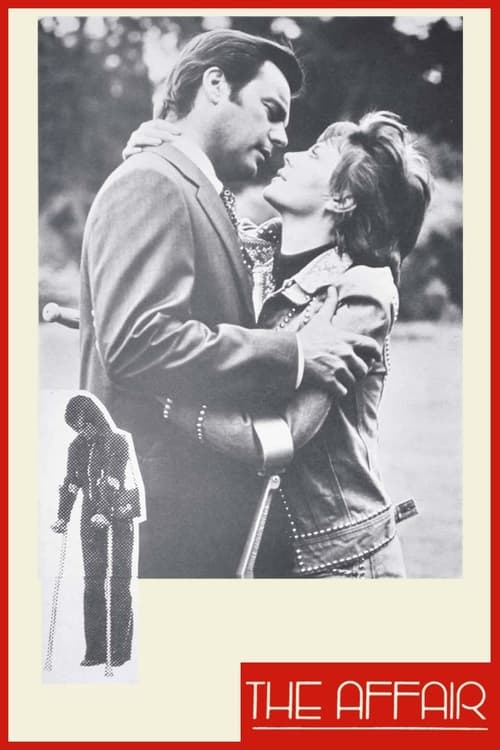
The Affair
1973
No user ratings available yet
Representation score: 3.9 out of 10

Representation Score
Good
2006
TV-PGDirector
Steven Schachter
Runtime
88 minutes
Average Rating
No ratings yetNew Showbiz Analysis
The Mermaid Chair is a character-driven drama that prioritizes psychological depth over broad demographic representation. It succeeds in providing a nuanced look at women's ability to drive the story and the complexities of mental illness, avoiding shallow clichés in these specific areas. However, the film lacks breadth in other key areas. The narrative remains centered on traditional social structures, offering little visibility for LGBTQ+ individuals or multi-ethnic perspectives. This creates a narrow focus that limits its overall impact. Ultimately, the film's strength lies in its willingness to challenge religious expectations. While it does not achieve high marks for diversity, it offers a sophisticated exploration of personal morality and familial duty.
Category Breakdown
The story centers on romantic tensions and family duties, with no visible LGBTQ+ characters or non-cisgender identities.
Jessie is a central protagonist who plays a significant role in driving the story. She navigates complex emotional labor and romantic autonomy, moving beyond traditional submissive female roles.
The narrative follows traditional demographic norms for its era. There is no explicit evidence of a multi-ethnic cast or diverse ethnic representation.
The film challenges traditional religious guidance through a turbulent affair with a monk, leaning towards moral relativism.
Mental health is explored through the character of Jessie's mother. The film treats her deteriorating condition with empathy rather than using it as a caricature.
Present on Screen
Limited or Absent
Official Synopsis
When her mentally ill, elderly mother begins mutilating herself, Jessie (Kim Basinger) returns to her hometown to care for her. Among familiar surroundings, she tends to her mother's deteriorating mental condition while learning of troubling revelations about her family history. Meanwhile, though married, Jessie reconnects with old passions -- including a turbulent affair with a monk named Hugh (Bruce Greenwood).
1973

1985
2000

1999
2003
1931

1991

2007
No reviews yet. Be the first to share your thoughts on this movie!
Use the rating form above to leave a star rating and optional review.