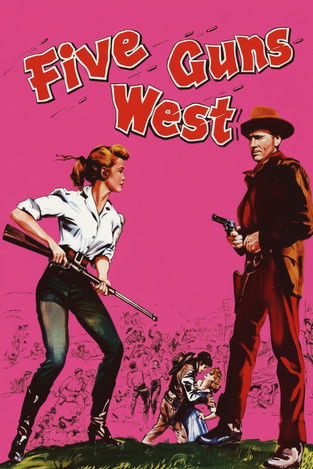
Five Guns West
1955
No user ratings available yet
Representation score: 1.8 out of 10

Representation Score
Minimal
1953
NRDirector
Fred F. Sears
Runtime
73 minutes
Average Rating
No ratings yetNew Showbiz Analysis
Ambush at Tomahawk Gap is a conventional 1953 Western that adheres strictly to the genre clichés of its time. The narrative is driven by a male-dominated ensemble focused on crime and survival, offering little room for diverse perspectives. The film reinforces existing social hierarchies by portraying Indigenous groups as antagonists in a standard conflict structure. This lack of control for non-white characters prevents any meaningful cultural depth. Ultimately, the film serves as a period-specific action piece that avoids complex intersections in favor of established, binary moral dichotomies.
Category Breakdown
The film adheres to traditional mid-century norms and does not depict any non-straight or non-cisgender identities. There are no representations of same-sex relationships or intimacy.
The story focuses on a male ensemble of four men. Female characters are not well-developed and likely play supporting or domestic roles typical of 1950s Westerns.
The plot positions Indigenous populations as an external threat to be overcome by the protagonists. This portrayal reinforces colonial-era power dynamics without offering nuanced representation.
The film operates within the established social frameworks of the 1950s, emphasizing individualistic pursuits such as greed and survival. It does not critique Western institutions or religion.
There is no mention or depiction of physical or neurodivergent disabilities in this production.
Present on Screen
Limited or Absent
Official Synopsis
Hodiak, Brian, Derek and Teal have just been released from prison. They return to Tomahawk Gap, now a ghost town, to retrieve the money that they stole and was buried by a partner somewhere in the town. While hunting, the Indians attack, and a life and death battle ensues.
1955
1968
1950
1973
1970
1954
1956
1961
No reviews yet. Be the first to share your thoughts on this movie!
Use the rating form above to leave a star rating and optional review.