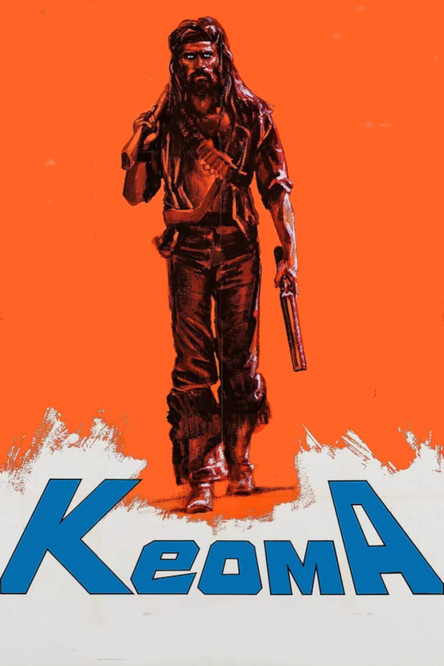
Keoma
1976
No user ratings available yet
Representation score: 3.0 out of 10
Representation Score
Limited
1987
Director
Claudio Fragasso, Bruno Mattei
Runtime
102 minutes
Average Rating
No ratings yetNew Showbiz Analysis
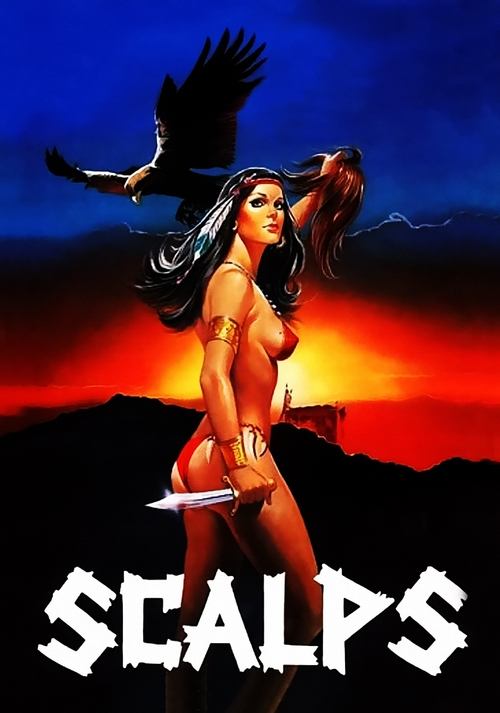
Scalps is a gritty exploitation film that both lacks intentionality in LGBTQ+ or disability inclusion and relies on traditional gender stereotypes. However, it also challenges the idealized mythos of the American West by portraying civilized institutions as engines of colonial violence. The film's strength lies in its refusal to provide redemptive arcs for traditional power structures, instead elevating a underrepresented survivor and a social outcast to positions of vengeance.
Category Breakdown
The film does not include any LGBTQ+ characters or identities outside of traditional heterosexual relationships. Relationships are dominated by traditional power structures and violence.
The narrative operates within a strict patriarchal structure, often showing women as victims of both colonial and sexual violence. Despite surviving, the female protagonist does not challenge the existing gender hierarchy.
Indigenous experiences are central, shown through the lens of colonial exploitation and mass killings. The non-white protagonist drives the plot, but the portrayal focuses heavily on themes of victimhood.
The film challenges Western myths by portraying military and Southern social institutions as corrupt and predatory. It portrays lawlessness and vigilantism as necessary responses to systemic oppression.
There are no characters with visible or invisible disabilities integrated into the narrative or used as meaningful character elements.
Present on Screen
Limited or Absent
Official Synopsis
The commander of a Texan fort in the Civil War refuses to surrender to the Northerners, and tries to buy the local Indian tribe chief's daughter. The sage man refuses, and the Southerners massacre the tribe and abduct the young squaw anyway. The noble squaw manages to escape, and hides out with a rough rancher, who dislikes Indians, but hates the Southerners more. The odd couple joins forces, and tactics, to exert ultimate vengeance on the men at the fort.
1976
1968
1968
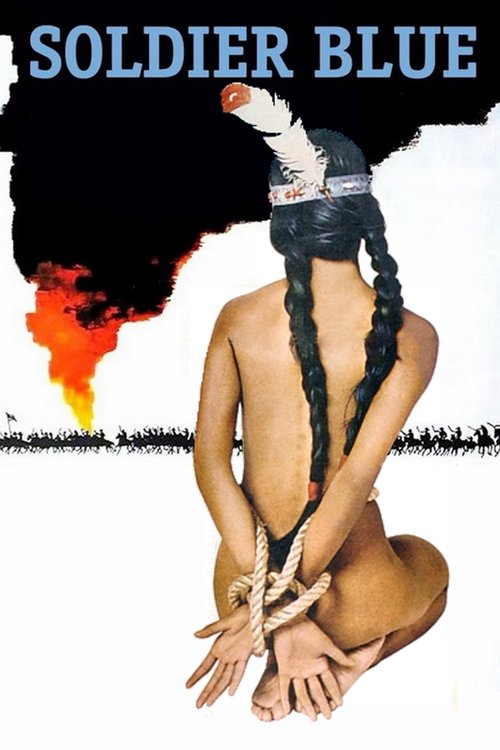
1970

1968
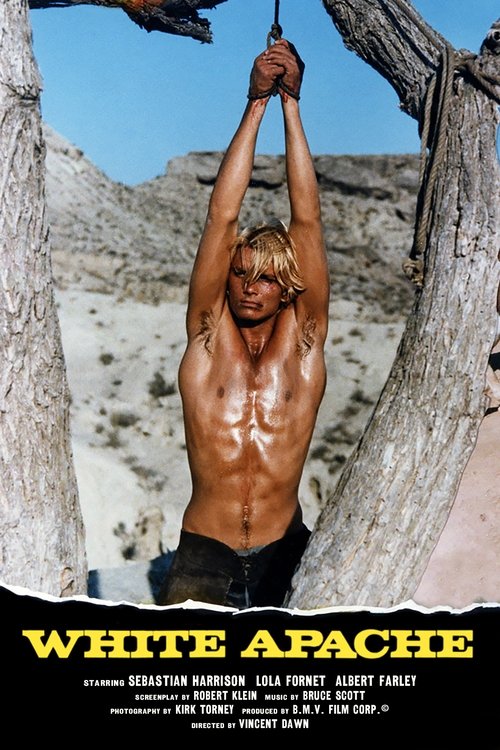
1987
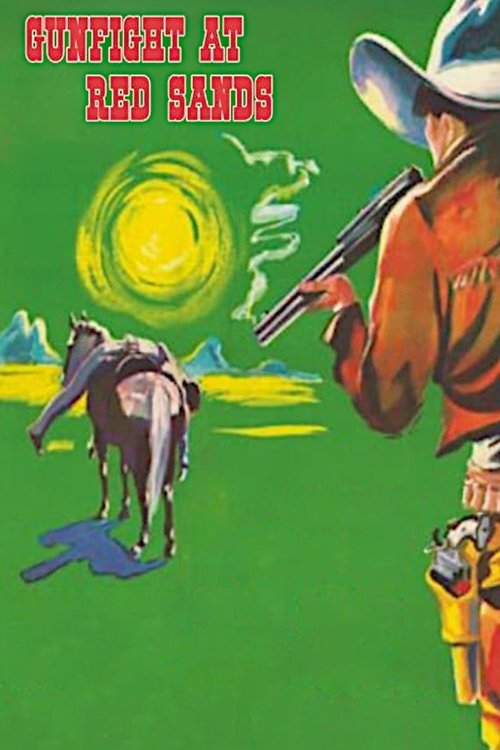
1963
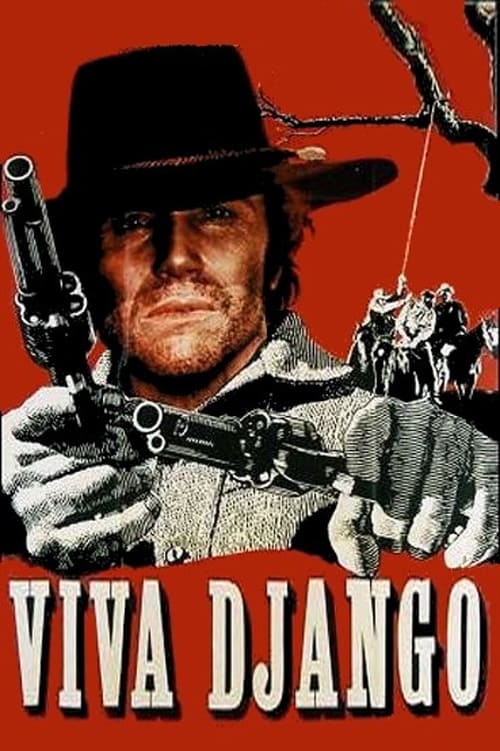
1971
No reviews yet. Be the first to share your thoughts on this movie!
Use the rating form above to leave a star rating and optional review.