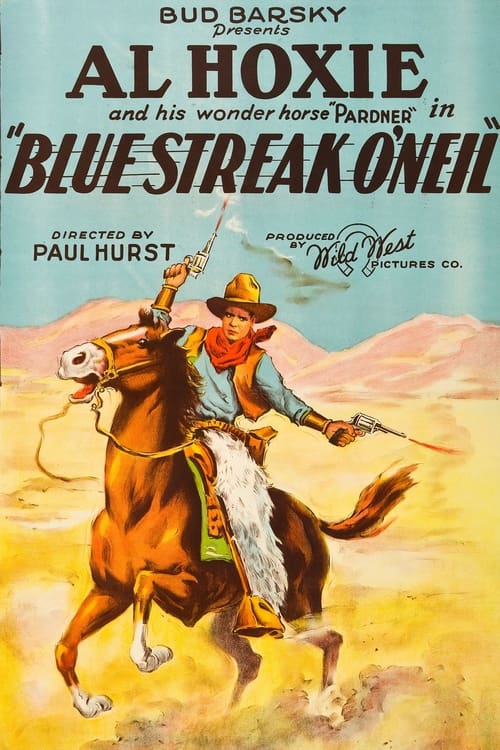
Blue Streak O'Neil
1926
No user ratings available yet
Representation score: 1.3 out of 10

Representation Score
Minimal
1950
NRDirector
Ray Enright
Runtime
76 minutes
Average Rating
No ratings yetNew Showbiz Analysis
Montana is a conventional mid-century Western that prioritizes established social hierarchies and property-based conflicts. The narrative follows standard genre clichés, focusing on the tension between an outsider and local authorities. While the inclusion of a wealthy woman rancher and an Australian protagonist offer minor diversions from rigid archetypes, the film remains largely homogeneous. It operates within the demographic and cultural constraints of 1950s cinema. Ultimately, the film serves as a dramatization of frontier resource management, reinforcing the status quo of the time rather than challenging it.
Category Breakdown
The film does not include any characters with non-binary gender identities. It features traditional heterosexual relationships typical of 1950s Westerns.
A wealthy woman rancher serves as an oppositional figure, showcasing female economic power. However, she remains caught up in traditional property disputes.
The Australian protagonist introduces a non-Anglo element, but this primarily highlights national differences rather than diverse ethnic backgrounds.
The story emphasizes traditional Western values related to land ownership and individual entrepreneurship. It focuses on frontier expansion without critiquing established institutions.
There is no indication of characters with physical or neurological disabilities in the narrative.
Present on Screen
Limited or Absent
Official Synopsis
An Australian sheep man comes to Montana looking for grazing space, is opposed by local ranchers and a wealthy cattle-woman.
1926
1930
1934
1940
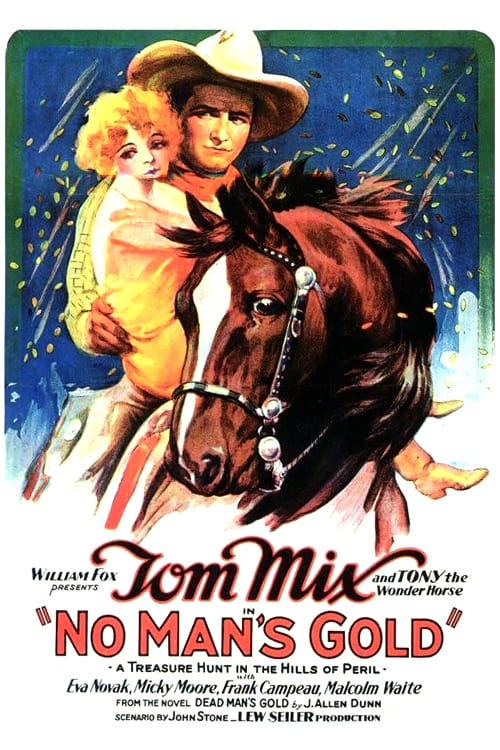
1926
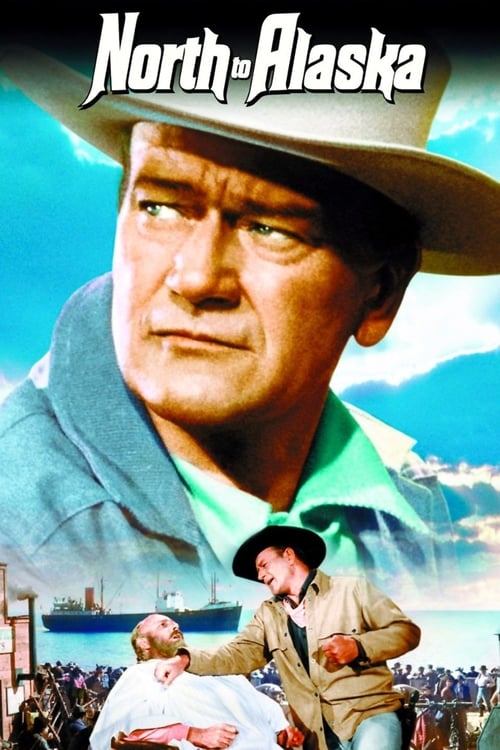
1960
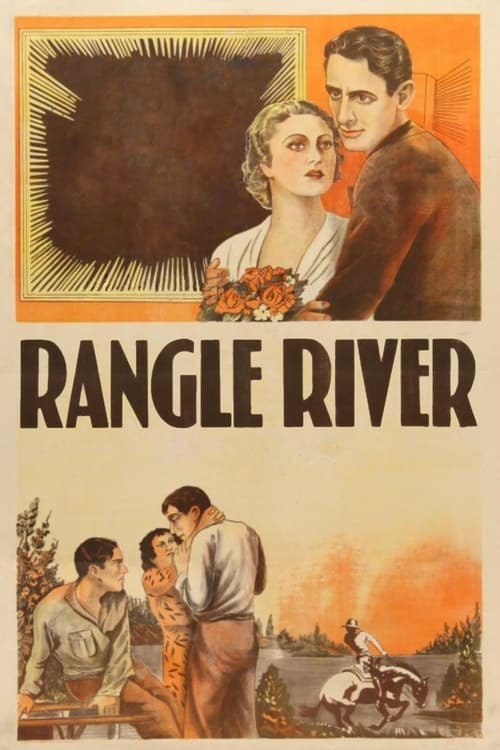
1936
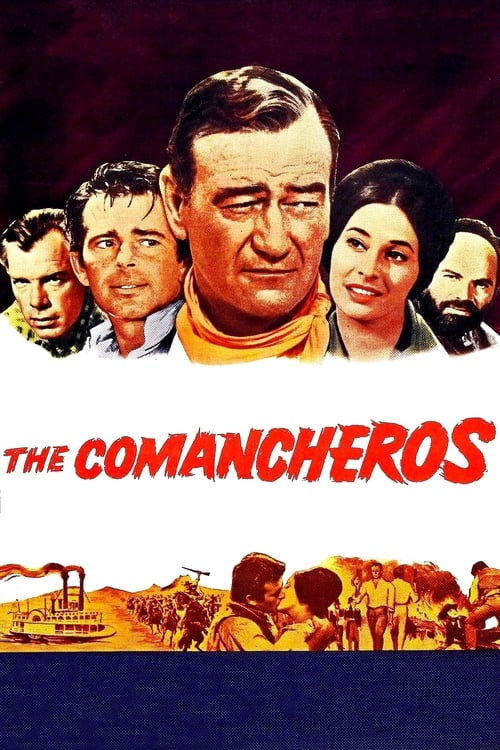
1961
No reviews yet. Be the first to share your thoughts on this movie!
Use the rating form above to leave a star rating and optional review.