
Dynamite Pass
1950
No user ratings available yet
Diversity score: 2.5 out of 10

1950
GDirector
Lew Landers
Runtime
71 minutes
Average Rating
No ratings yetSynopsis
It's 1848 and a wagon train with an Army escort is heading west through Indian territory, It's scout is Davy Crockett, nephew of his more famous namesake. There is spy amongst them informing the Indians. They survive the first Indian attack and then push on. They have a choice of two passes through the mountains. Learing of the pass to be defended by the Indians, they head for the other. But upon ariving, the Indians attack. Somehow they have been informed.
Overall Score
Minimal
Category Breakdown
LGBTQ+ Representation
The film follows a strictly heteronormative structure typical of mid-century cinema. It contains no representation of queer identities or same-sex intimacy.
Gender Representation
Narrative agency is concentrated in the male protagonist, Davy Crockett. Female characters are relegated to domestic or supporting roles as passengers in the wagon train.
Racial & Ethnic Diversity
The story centers on white settlers and uses Native Americans primarily as an adversary trope. Indigenous characters lack nuanced agency within the conflict.
Religious & Cultural Diversity
The film celebrates Western expansionism and the pioneer spirit. It validates traditional mid-century ideals regarding patriotism and the necessity of frontier protectors.
Disability Representation
There is no discernible representation of physical or neurodivergent disabilities. Characters are defined solely by the physical capabilities required for frontier survival.
Strengths
Areas for Improvement
AI Analysis
Davy Crockett, Indian Scout is a quintessential 1950s Western that adheres strictly to the era's established cinematic tropes. The narrative is built around a singular, heroic masculine archetype, centering the plot on the white, Anglo-Saxon experience of westward expansion. The film reinforces traditional hierarchies, particularly regarding gender and race. Men hold the primary authority and agency, while women occupy passive roles. Native American characters are utilized as a collective force of conflict rather than being presented with individual depth or complexity. Ultimately, the production functions as a validation of mid-century social norms. It offers no subversion of power dynamics, instead presenting a binary conflict between settlers and indigenous populations that aligns with the patriotic ideals of its time.
1950
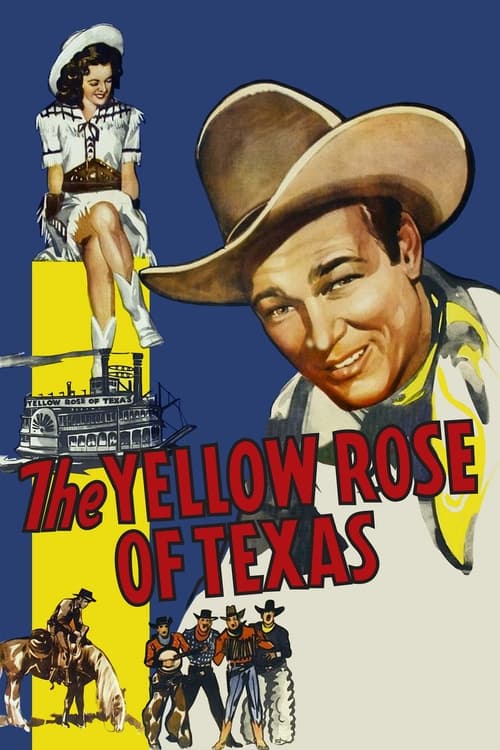
1944

1953
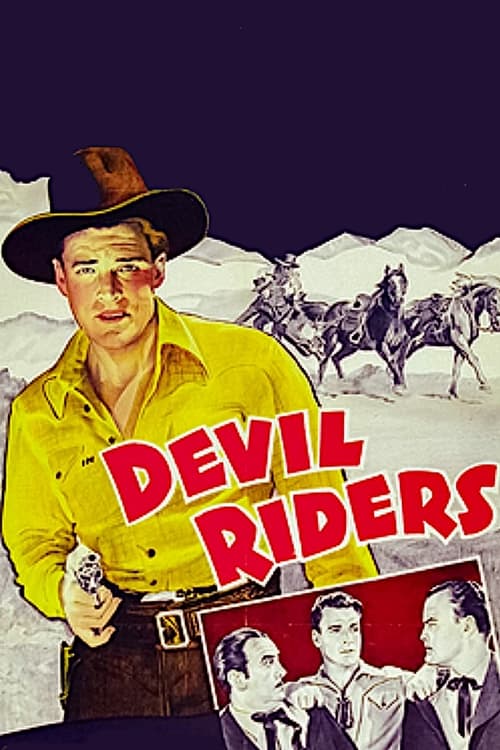
1943
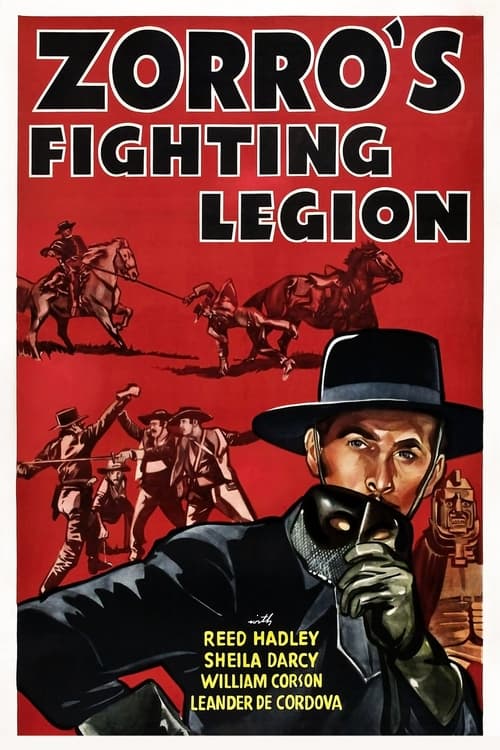
1939
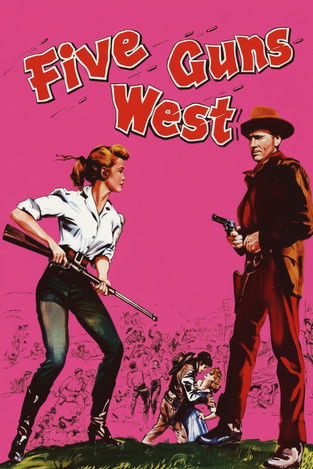
1955
1948
2021
1952
1953
2021
1970
No reviews yet. Be the first to share your thoughts on this movie!
Use the rating form above to leave a star rating and optional review.