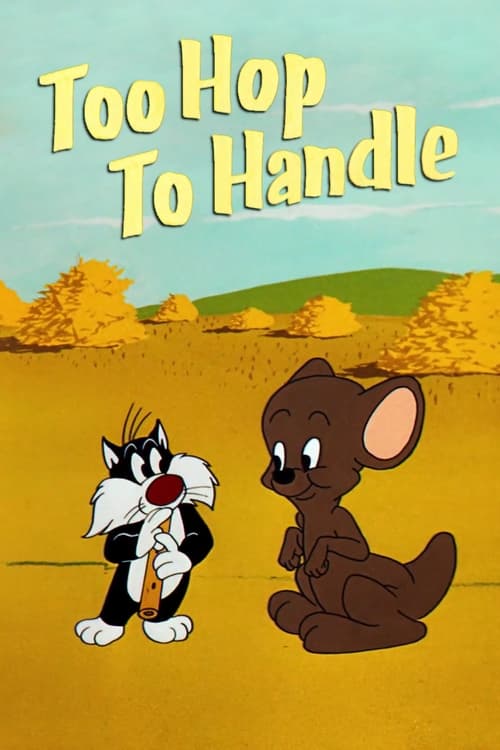
Too Hop to Handle
1956
No user ratings available yet
Representation score: 1.4 out of 10
Representation Score
Minimal
1953
ApprovedDirector
Robert McKimson
Runtime
7 minutes
Average Rating
No ratings yetNew Showbiz Analysis
This short is a classic example of 1950s animation, prioritizing slapstick comedy over social commentary. The narrative structure relies on repetitive, cyclical humor that prevents the development of progressive themes. The film lacks depth in reflecting multiple aspects of identity, focusing instead on the functional relationship between the characters. It adheres to the era's standard comedic constraints without attempting to disrupt conventional social expectations.
Category Breakdown
The film centers on a predator-prey relationship between anthropomorphic animals and does not include any non-straight or non-cisgender identities or critiques of straight relationships.
The protagonists are male animals, which leaves no room for female characters to take control. The film lacks nuanced gender roles and does not challenge traditional hierarchies.
The setting includes an Australian animal, but there is no human-centric racial or ethnic diversity. The film operates within a homogeneous, mid-century Western framework.
The story follows typical mid-century storytelling norms without social critique. Characters are presented in traditional roles, such as laborers, without questioning broader societal structures.
There are no depictions of visible or invisible disabilities. Physical struggles are limited to slapstick humor rather than meaningful explorations of impairment.
Present on Screen
Limited or Absent
Official Synopsis
Sylvester Cat accepts a position as mouse-catcher on a ship, and his son, Junior, accompanies him. They encounter baby kangaroo Hippety Hopper being shipped from Australia and, as usual, mistake Hippety for a giant mouse.
1956
1950
1941

1950
1964
1960
1961
1955
No reviews yet. Be the first to share your thoughts on this movie!
Use the rating form above to leave a star rating and optional review.