
Russian Pioneers
1967
No user ratings available yet
Representation score: 5.5 out of 10
Representation Score
Fair
1960
Director
Fyodor Filippov
Runtime
96 minutes
Average Rating
No ratings yetNew Showbiz Analysis
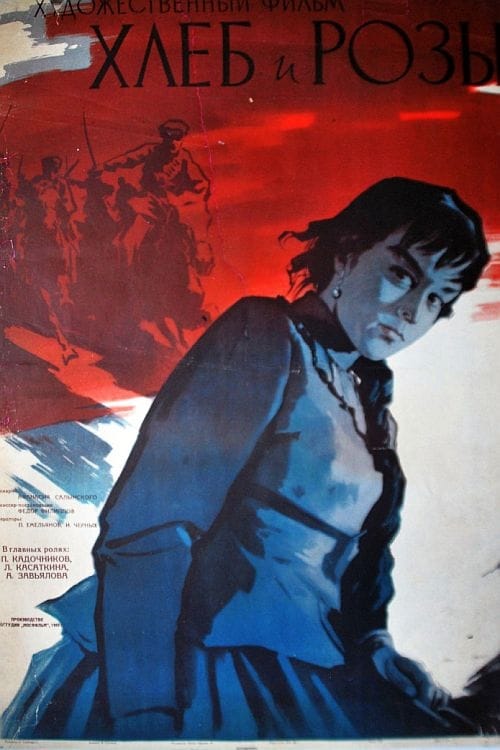
Bread and Roses is a period drama deeply rooted in the collectivist ideologies of 1960s Soviet cinema. It prioritizes systemic and cultural representation over individual identity politics, focusing on the struggle to build a commune in the Altai steppe. While the film excels at challenging Western individualist social structures through its anti-capitalist framework, it lacks diversity in contemporary identity-based metrics. The narrative relies on traditional romantic clichés and standard worker archetypes. Ultimately, the film is a study of class conflict and communal progress rather than a showcase for characters who reflect more than one aspect of diversity.
Category Breakdown
The film centers on a relationship between Gavriil and Lyubasha, which is assumed to be heterosexual. There is no indication of LGBTQ+ themes or non-cisgender identities.
Lyubasha plays a key role in motivating the protagonist's actions. However, her character seems to primarily serve as an emotional catalyst for male-driven political plots.
The Altai steppe setting hints at a complex cultural landscape, but the narrative focuses on a typical Soviet worker archetype. Specific multi-ethnic casting is not detailed.
The film strongly promotes collectivist ideals and anti-capitalist messages. It critiques class hierarchies by depicting the struggle against the 'kulak' class as a systemic issue.
The narrative does not include any characters dealing with physical, sensory, or neurodivergent disabilities.
Present on Screen
Limited or Absent
Official Synopsis
A young worker Gavriil Ivushkin went with his comrades to the Altai steppe to build a commune. Gavriil Ivushkin endured the cold and hunger, the struggle against counter-revolution. But he could not hide his feelings for the beautiful Lyubasha, the daughter of a local "kulak".
1967

1930
1963

1925
1966
1930
1958
1973
No reviews yet. Be the first to share your thoughts on this movie!
Use the rating form above to leave a star rating and optional review.