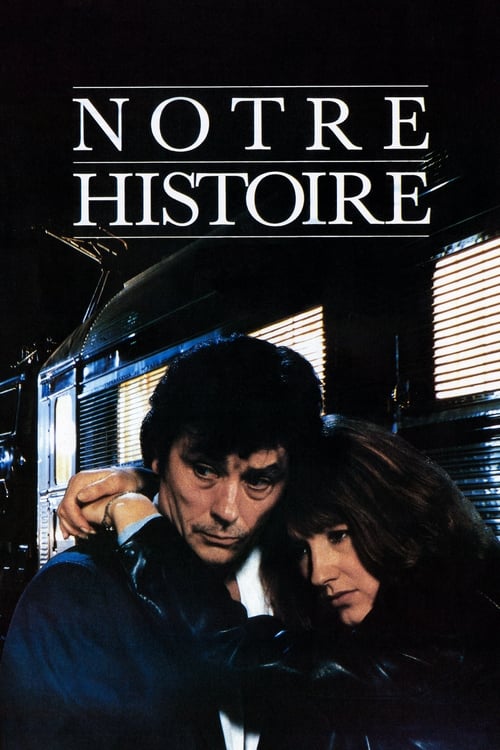
Our Story
1984
No user ratings available yet
Representation score: 4.3 out of 10

Representation Score
Limited
1977
Not RatedDirector
François Truffaut
Runtime
119 minutes
Average Rating
No ratings yetNew Showbiz Analysis
Truffaut’s film is a focused psychological study of individual obsession rather than a work that addresses systemic or multi-layered issues. It prioritizes the mechanics of male desire over disrupting social hierarchies. The film challenges traditional Christian morality by treating the protagonist's boundary-crossing behavior as a condition to be observed rather than a moral failing. However, it remains anchored in a traditional, homogeneous, and straight-centered framework. The lack of diverse casting and the heavy reliance on the male perspective limit its broader social scope.
Category Breakdown
The film focuses solely on the protagonist's pursuit of women and does not include any same-sex relationships or non-cisgender identities.
The film is driven by the male perspective and the protagonist's thoughts. Women often serve as subjects of psychological study rather than as independent individuals with significant roles in the story.
The cast is made up of a homogeneous European group reflecting the 1970s French context. There is no racial or ethnic diversity in the narrative.
The film frames the protagonist's obsessions as a psychological condition rather than a moral issue, using moral relativism. However, it does not provide broader anti-Western or secularist critiques.
The protagonist's compulsive behavior may suggest neurodivergence but primarily serves as a narrative device for romance. No characters with disabilities play central roles in the themes.
Present on Screen
Limited or Absent
Official Synopsis
At Bertrand Morane's burial there are many of the women that the 40-year-old engineer loved. In flashback Bertrand's life and love affairs are told by himself while writing an autobiographical novel.
1984

1952
1983

1997

1969
1980
1978
2013
No reviews yet. Be the first to share your thoughts on this movie!
Use the rating form above to leave a star rating and optional review.