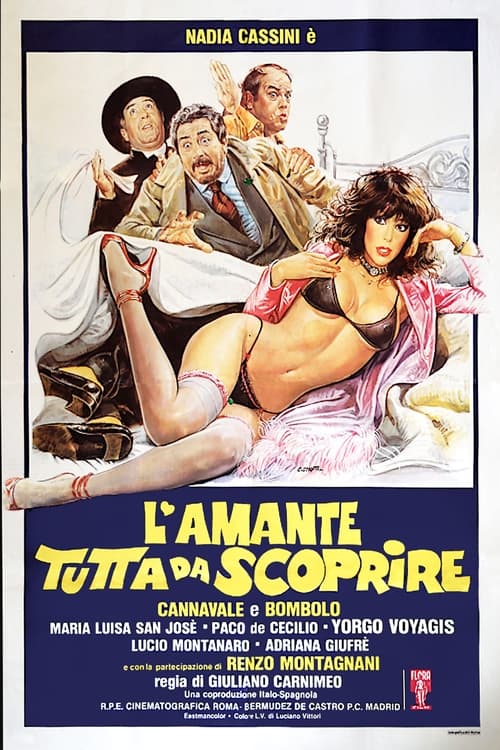
L'amante tutta da scoprire
1981
No user ratings available yet
Representation score: 2.5 out of 10
Representation Score
Minimal
1957
Director
Camillo Mastrocinque
Runtime
98 minutes
Average Rating
No ratings yetNew Showbiz Analysis
This 1957 comedy largely reinforces the social and gender hierarchies of mid-century Italy. The plot relies on traditional comedic clichés and investigations into domestic morality, keeping the film within conventional storytelling bounds. While it provides a minor subversion of gendered expectations through the character of Brigitte, it remains a localized study of Italian social strata. The film focuses on class-based humor and traditional romantic suspicions, rather than exploring diverse identities or systemic social deconstruction.
Category Breakdown
The film does not include any LGBTQ+ narratives or non-cisgender identities. It operates within a framework that assumes everyone is straight.
The character of Brigitte, a physician, offers a departure from traditional female roles. However, her actions are often influenced by male-driven investigations into her personal life.
The cast and setting are ethnically uniform, reflecting the historical context of 1957 Italy. The film focuses on the social structure of the time.
The story emphasizes class distinctions and social norms within a traditional Western framework. It does not challenge institutions like family or religion.
The film does not feature any characters with visible or invisible disabilities.
Present on Screen
Limited or Absent
Official Synopsis
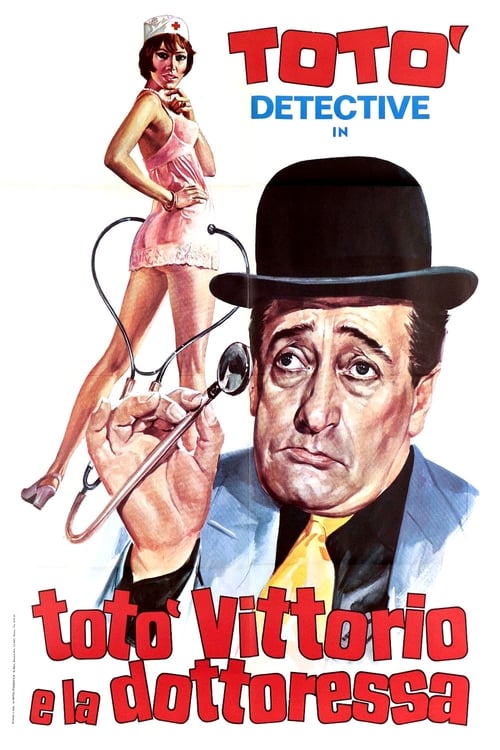
The fake private detective Mike Spillone is hired by two old ladies to find out if Brigitte, the wife of their nephew Otello Bellomo, has a lover. Brigitte is a physician but the two aunts are unaware of the fact. While investigating, Mike and his assistant Johnny discover Brigitte with a prospective patient, the marquis De Vitti who was shot by the husband of the woman he tried to seduce. Afterwards Spillone finds her with her husband who he believes to be her lover.
1981
1948
1963
1955

1966
1961
1961
1964
No reviews yet. Be the first to share your thoughts on this movie!
Use the rating form above to leave a star rating and optional review.