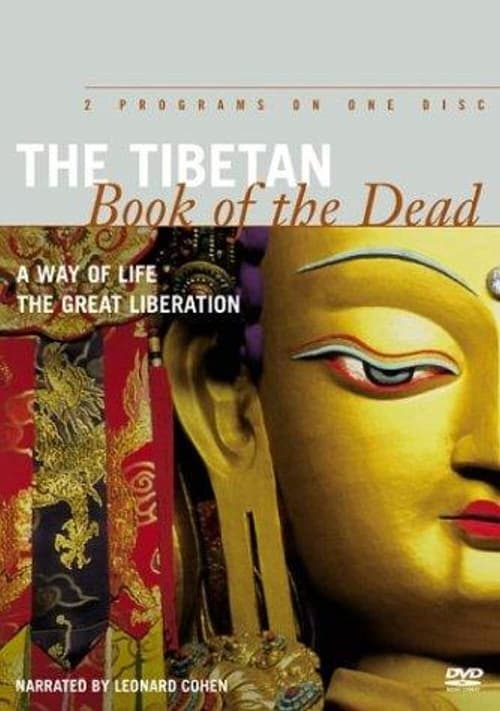
The Tibetan Book of the Dead: The Great Liberation
1994
No user ratings available yet
Representation score: 5.9 out of 10
Representation Score
Good
1994
Director
Barrie McLean, Yukari Hayashi, Hiroaki Mori
Runtime
46 minutes
Average Rating
No ratings yetNew Showbiz Analysis
This documentary serves as a vital piece of cross-cultural media that challenges Western epistemological dominance. By elevating Tibetan philosophical frameworks, the directors move the viewer away from traditional Western institutions toward a more pluralistic worldview. The film's strength lies in its refusal to treat Eastern spirituality as an exotic 'other.' Instead, it utilizes authentic practitioners to drive a narrative that prioritizes lived experience and philosophical depth over Anglo-centric historical perspectives. While the film lacks specific representation for LGBTQ+ identities or disabilities, it succeeds in its primary mission: challenging the hegemony of Western materialist views on death and existence.
Category Breakdown
The series does not include explicit queer narratives or identified LGBTQ+ characters. However, the focus on fluid consciousness and the transition between life and death provides a conceptual space outside rigid assumptions about straight relationships.
The film emphasizes spiritual lineage and monastic identities over traditional patriarchal family structures. By focusing on the relationship between a lama and a novice monk, it deconstructs conventional masculine and feminine social roles.
The production excels by centering Tibetan culture and philosophy through indigenous practitioners. It avoids exoticizing Eastern spirituality, instead giving the lama and novice monk significant roles in defining their own reality.
The series challenges Western secular and Christian-centric views by presenting the bardo as a sophisticated spiritual process. It prioritizes non-Western ontological frameworks and subjective morality over materialist perspectives.
There is no evidence regarding the portrayal of physical or neurodivergent disabilities. The narrative focuses on the universal human experience of mortality and spiritual transition.
Present on Screen
Limited or Absent
Official Synopsis
Narrated by Leonard Cohen, this two-part series explores ancient teachings on death and dying and boldly visualises the afterlife according to Tibetan philosophy. Tibetan Buddhists believe that after a person dies, they enter a state of "bardo" for 49 days until a rebirth. Program 1, The Tibetan Book of the Dead: A Way of Life documents the history of The Tibetan Book of the Dead, tracing the book's acceptance and use in Europe and North America. Program 2, The Tibetan Book of the Dead: The Great Liberation observes an old Buddhist lama and a 13-year-old novice monk as they guide a deceased person into the afterlife.
1994
1978

2003

2011
1979
1995
2013
1985
No reviews yet. Be the first to share your thoughts on this movie!
Use the rating form above to leave a star rating and optional review.