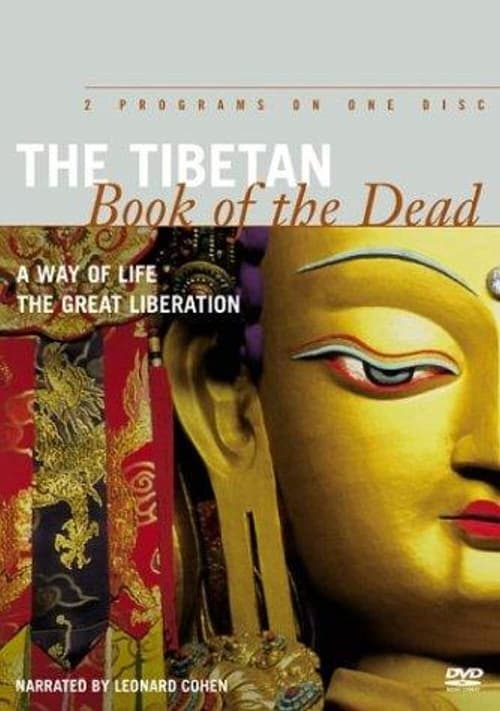
The Tibetan Book of the Dead: A Way of Life
1994
No user ratings available yet
Representation score: 6.4 out of 10
Representation Score
Fair
1994
Director
Barrie McLean, Hiroaki Mori, Yukari Hayashi
Runtime
45 minutes
Average Rating
No ratings yetNew Showbiz Analysis
The film stands out as a tool for promoting cultural and philosophical diversity. By highlighting Himalayan Buddhist traditions, it effectively counters Western-centric views and supports Eastern philosophical frameworks. Though the documentary lacks explicit identity-focused character arcs typical of scripted dramas, its strength lies in its international directorial approach. Collaboration between Western and Japanese directors indicates a shift away from a purely Western perspective. However, the film's score is slightly reduced due to a lack of explicit LGBTQ+ representation or non-assuming gender matches what was assigned at birth narratives, and it does not provide specific character studies to explore gendered power dynamics.
Category Breakdown
The documentary does not include explicit LGBTQ+ characters or stories. Instead, it focuses on theological and philosophical ideas rather than modern identity issues.
The film explores a metaphysical reality where consciousness surpasses biological sex. However, it does not delve into specific character studies to examine gender power dynamics.
The film highlights high ethnic diversity by focusing on Himalayan Buddhist cultures. This approach challenges Anglo-Saxon dominance by prioritizing non-Western perspectives and indigenous knowledge.
By centering a non-Western religious text, the film critiques Western intellectual dominance. It presents Eastern traditions as sophisticated systems of thought rather than mere curiosities.
There is no information available regarding the depiction of physical or neurodivergent disabilities within this documentary.
Present on Screen
Limited or Absent
Official Synopsis
The Tibetan Book of the Dead remains an essential teaching in the Buddhist cultures of the Himalayas.
1994
1978
1989
2004
2003
2011
1986

2011
No reviews yet. Be the first to share your thoughts on this movie!
Use the rating form above to leave a star rating and optional review.