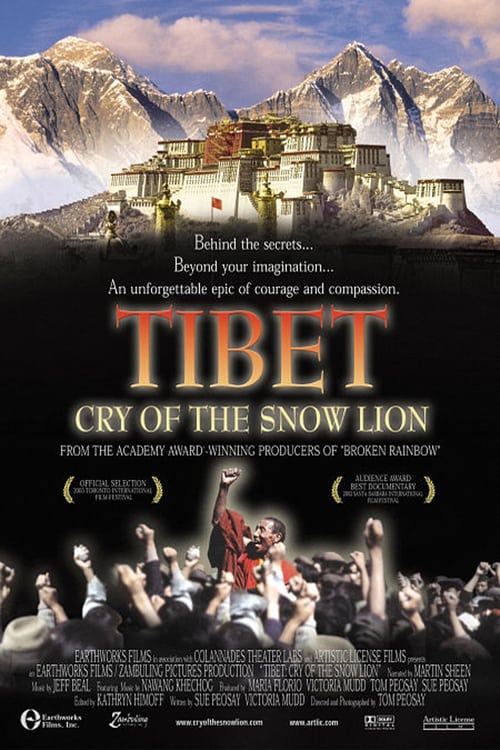
Tibet: Cry of the Snow Lion
2002
No user ratings available yet
Representation score: 6.2 out of 10
Representation Score
Good
2010
TV-GDirector
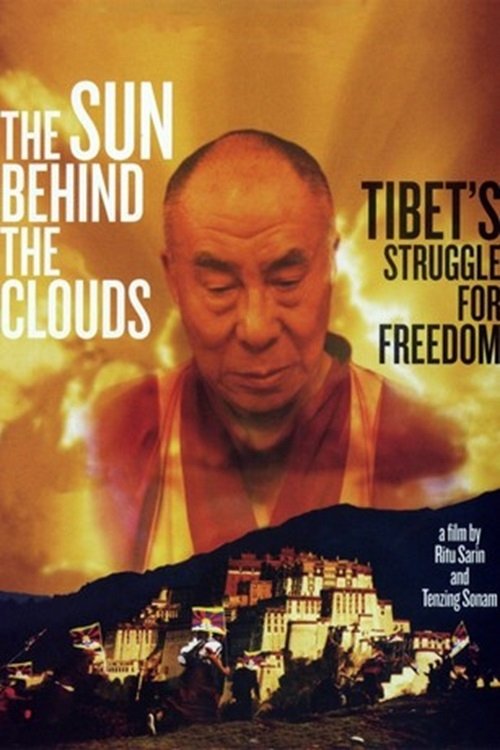
Tenzing Sonam, Ritu Sarin
Runtime
79 minutes
Average Rating
No ratings yetNew Showbiz Analysis
The Sun Behind the Clouds: Tibet's Struggle for Freedom is a powerful documentary that challenges dominant geopolitical narratives by centering the lived experiences of the indigenous Tibetan people. Through a post-colonial lens, it provides a sophisticated critique of systemic power dynamics and state hegemony. However, the film's narrow focus on ethnographic and political issues means it lacks explicit representation of LGBTQ+ identities and does not actively challenge traditional gender hierarchies.
Category Breakdown
The documentary focuses on the political and religious aspects of the Tibetan struggle but does not explicitly address LGBTQ+ identities or non-conforming gender narratives.
The film centers on traditional Tibetan social and religious structures. While it offers a nuanced view of community dynamics, it does not actively challenge traditional gender hierarchies.
The film excels by highlighting the ability to act and lived experiences of the indigenous Tibetan people. It disrupts Western-centric views by prioritizing the perspective of a underrepresented ethnic group.
The narrative emphasizes Tibetan Buddhism and indigenous spirituality, framing the struggle as a necessary response to the erosion of cultural identity. It contrasts this with Western norms.
There is no significant evidence regarding the portrayal of physical or neurodivergent disabilities within the film's thematic overview.
Present on Screen
Limited or Absent
Official Synopsis
Fifty years after the fall of his country, can the Dalai Lama make a breakthrough in his efforts to find a solution to the Tibet question?
2002

2011
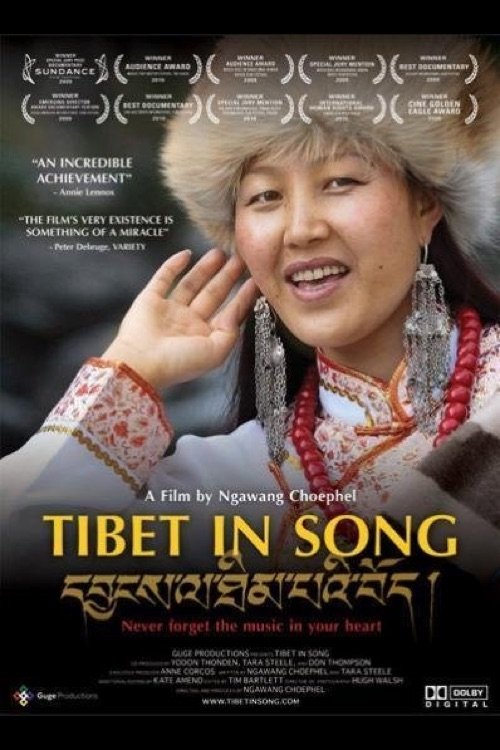
2009

2011

2025

2013
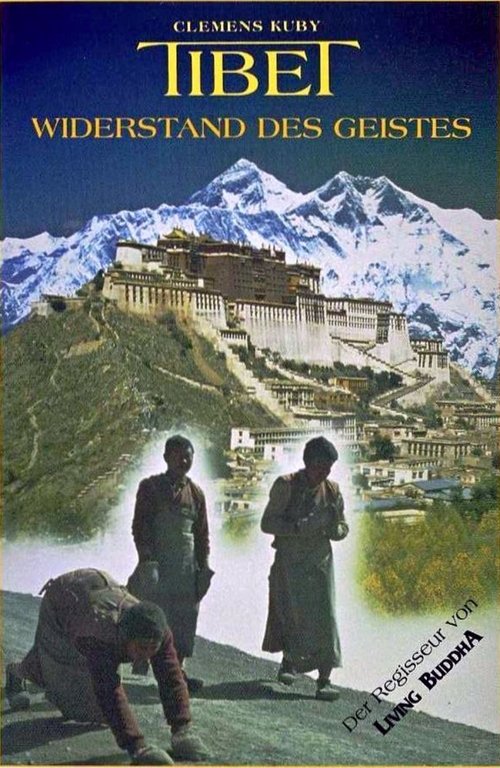
1989

2015
No reviews yet. Be the first to share your thoughts on this movie!
Use the rating form above to leave a star rating and optional review.