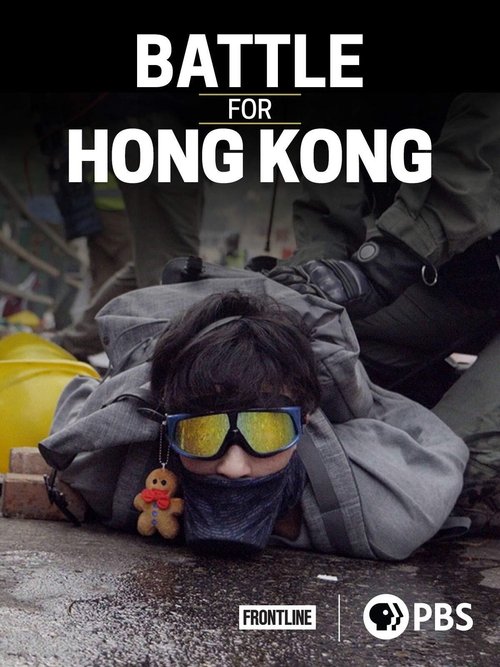
Battle for Hong Kong
2020
No user ratings available yet
No diversity score available

2025
TV-PGDirector
Gesbeen Mohammad
Runtime
54 minutes
Average Rating
No ratings yetSynopsis
FRONTLINE investigates China’s rule over Tibet. With footage from inside the region, the documentary examines how the Communist regime controls Tibet’s Buddhist population, and the battle over the succession of its spiritual leader, the Dalai Lama.
Overall Score
Good
Category Breakdown
LGBTQ+ Representation
The documentary focuses on geopolitical and religious struggles rather than sexual identity. There is no explicit evidence regarding the depiction of LGBTQ+ narratives.
Gender Representation
The film explores religious traditions and state hierarchies that involve patriarchal structures. It examines how political pressure impacts gendered roles within the Tibetan population.
Racial & Ethnic Diversity
The film centers on the Tibetan people, prioritizing non-Western perspectives. It places the agency of a marginalized ethnic group at the heart of the narrative.
Religious & Cultural Diversity
The narrative highlights the preservation of spiritual identity against systemic assimilation. It examines the tension between religious autonomy and state-mandated secularism.
Disability Representation
There is no information available regarding the portrayal of individuals with physical or neurodivergent disabilities.
Strengths
Areas for Improvement
AI Analysis
Battle for Tibet succeeds as a powerful piece of investigative journalism that centers a marginalized ethnic group. By utilizing footage from within the region, the film disrupts Western-centric historical perspectives and provides a platform for Tibetan agency. The documentary excels in its commitment to cultural and racial representation. It frames the struggle for sovereignty through the lens of cultural survival, making the Tibetan people the primary subjects of the global political discourse. However, the film's focus on high-level geopolitical and religious conflicts leaves little room for exploring individual identities such as gender or sexual orientation. The narrative architecture is strictly defined by the struggle for political and spiritual autonomy.
2020
2010
1989

2003
2019

2019

2015

2019
2016
2007

2007
2004
No reviews yet. Be the first to share your thoughts on this movie!
Use the rating form above to leave a star rating and optional review.