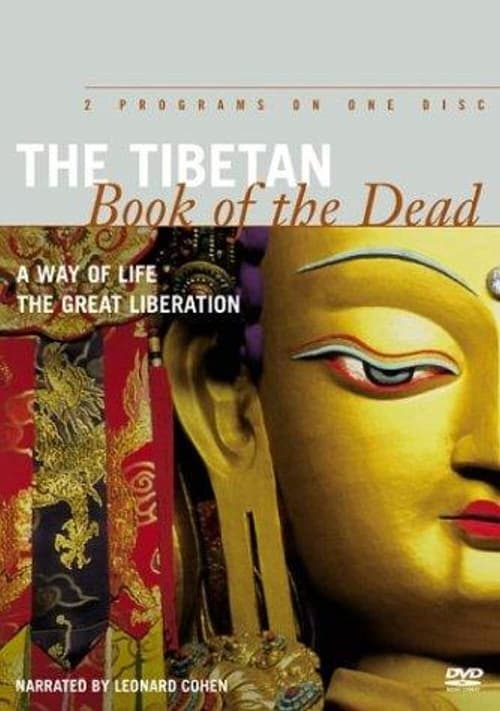
The Tibetan Book of the Dead: The Great Liberation
1994
No user ratings available yet
Representation score: 5.9 out of 10
Representation Score
Good
2003
Not RatedDirector
Werner Herzog
Runtime
83 minutes
Average Rating
No ratings yetNew Showbiz Analysis
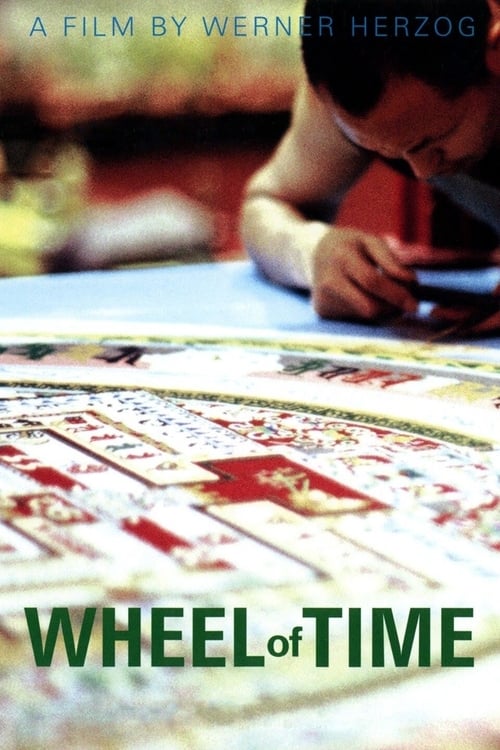
Werner Herzog’s documentary stands out by disrupting conventional Western documentary clichés. By focusing on the spiritual landscape of Bodh Gaya, the film highlights the ability to act of non-Western communities. This approach challenges the dominance of Western-centric storytelling and linear progress narratives. The film’s strength lies in its cultural immersion, while remaining neutral on individual identity politics such as LGBTQ+ or gender-specific power dynamics.
Category Breakdown
The film focuses on a large-scale Buddhist ritual in Bodh Gaya. There is no explicit evidence regarding the depiction of LGBTQ+ identities or queer narratives.
The film centers on a large religious ritual in Bodh Gaya, featuring a diverse range of participants. The focus on communal devotion may challenge traditional Western, male-dominated structures.
The film excels in representing non-Western cultures by focusing on a non-Western cultural event. It prominently features characters of color and Eastern spiritual traditions, placing them at the heart of the narrative.
The work emphasizes non-Western spirituality and religious practices. It challenges Western secular norms through its portrayal of Buddhist rituals.
There is no evidence to suggest that disability is a central theme. Characters with disabilities are not utilized as plot devices in this context.
Present on Screen
Limited or Absent
Official Synopsis
Wheel of Time is Werner Herzog's photographed look at the largest Buddhist ritual in Bodh Gaya, India.
1994
1935
1991
2004
1989
2016
2013
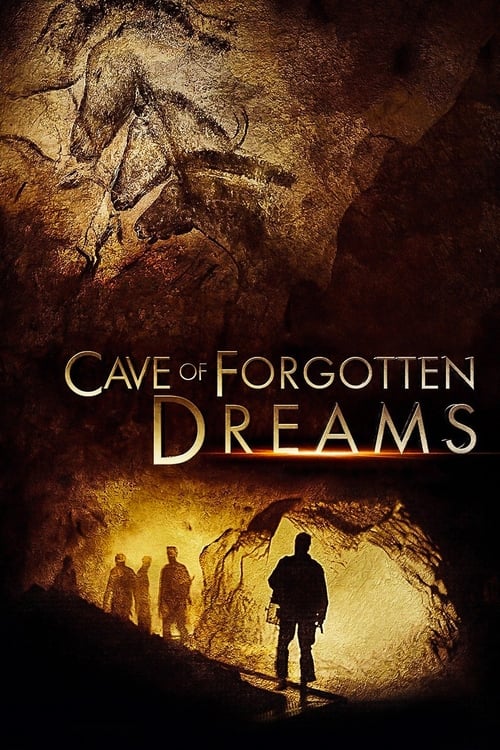
2010
No reviews yet. Be the first to share your thoughts on this movie!
Use the rating form above to leave a star rating and optional review.