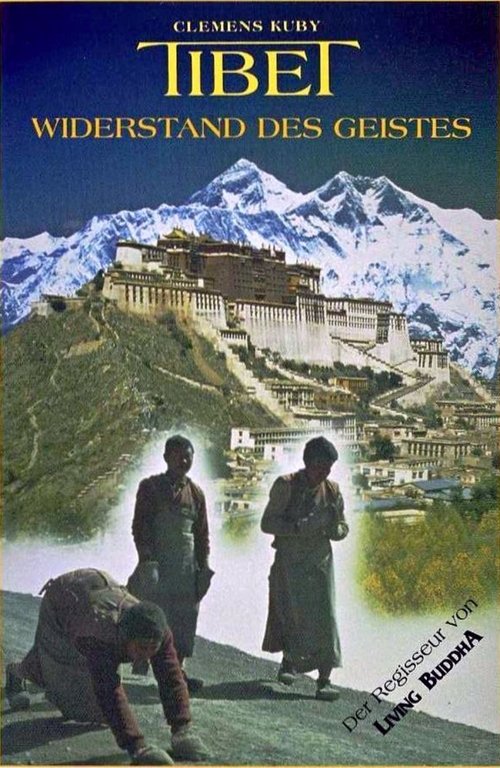
Tibet: The Survival of the Spirit
1989
No user ratings available yet
Representation score: 5.7 out of 10
Representation Score
Good
1986
o.Al.Director
Clemens Kuby
Runtime
90 minutes
Average Rating
No ratings yetNew Showbiz Analysis
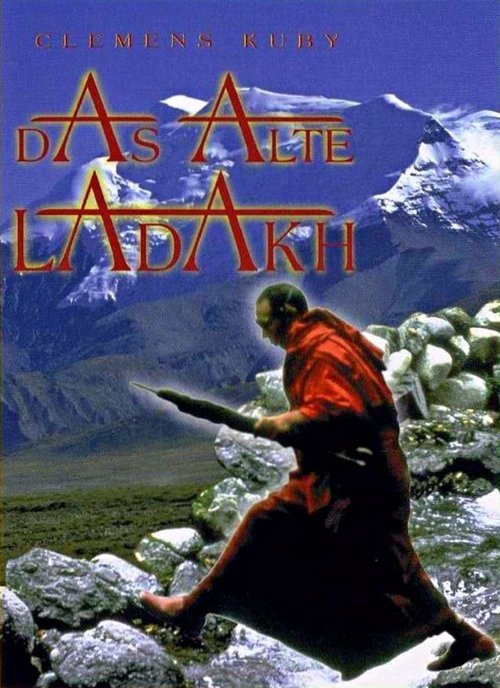
Das alte Ladakh serves as a significant ethnographic work that challenges Western epistemological dominance. By focusing on a non-secular, non-capitalist reality, the film validates a sophisticated way of life that exists outside modern institutional norms. The documentary succeeds by emphasizing an indigenous worldview and ancient consciousness. It disrupts the Western gaze by treating the Himalayan landscape and Tantric Buddhist practices as central, rather than peripheral, elements of the story. However, the film remains limited in its exploration of gender roles and queer identities. The narrative structure leans towards traditional relationship dynamics and lacks evidence of challenging gender hierarchies.
Category Breakdown
The film does not explicitly depict LGBTQ+ identities. The narrative follows a traditional seduction involving magical powers, adhering to heterosexual norms.
A tension exists between spiritual discipline and personal desires. While a young man is the primary agent of seduction, the Geshe’s metaphysical role diverges from typical secular leadership.
The documentary highlights the lived experiences and spiritual practices of the Ladakhi people. It emphasizes an indigenous perspective, integrating the Himalayan landscape into the cultural narrative.
The film centers Tantric Buddhism to critique Western secularism. It presents a non-Western moral framework where magic and morality are viewed through a complex, subjective lens.
No characters with visible or invisible disabilities are mentioned. No assessment can be made regarding this category.
Present on Screen
Limited or Absent
Official Synopsis
The Laddakhis, high up in the Western Himalayas, have a strong connection to the psychic energies of the gods and demons through their belief in Tantric Buddhism. People in the valley say of the Geshe (a methaphysical professor) that he can fly if he wants to. But using magic is immoral for the Buddhist. Nevertheless, a young man seduces the woman of his desire with magical powers. In a breathtaking landscape under a crystal-clear blue sky, a life unfolds in harmony with the universe, carried by an ancient consciousness.
1989
2004
1994

2002
2002
2016
2005
2017
No reviews yet. Be the first to share your thoughts on this movie!
Use the rating form above to leave a star rating and optional review.