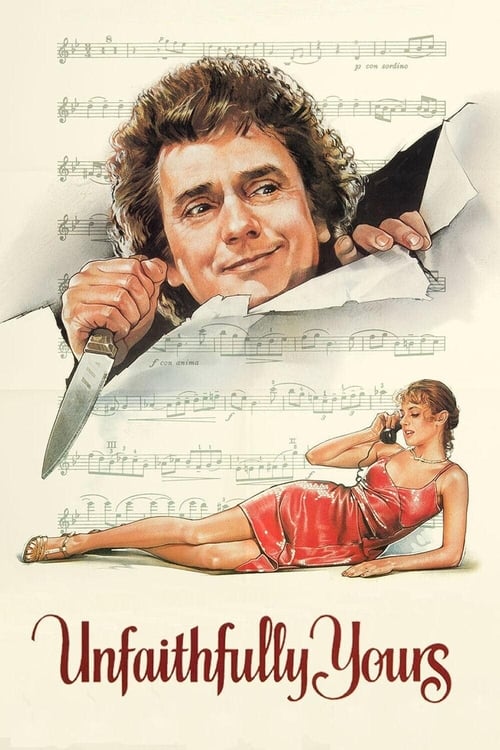
Unfaithfully Yours
1984
No user ratings available yet
Representation score: 5.2 out of 10

Representation Score
Limited
1986
Director
Kenny Bee
Runtime
92 minutes
Average Rating
No ratings yetNew Showbiz Analysis
Kenny Bee’s dark comedy emphasizes comedic absurdity and cynical views of marriage over progressive social structures. The film serves as a character study of discontent within a traditional social framework. While the story challenges the 'ideal family' cliché through its nihilistic subject matter, it lacks multi-layered depth necessary for modern diversity standards. The focus remains on the domestic friction between men and women. Ultimately, the film operates as a genre-specific exploration of social dysfunction rather than a tool for systemic change.
Category Breakdown
The film focuses solely on heterosexual marital issues and does not include any non-cisgender identities or critiques of heterosexuality.
The story revolves around male characters seeking lethal control over their wives, portraying domesticity as a site of conflict rather than challenging patriarchal hierarchies.
As a Hong Kong production, the cast and setting are predominantly East Asian. The narrative does not use multi-layered casting to challenge systemic norms.
The film disrupts conventional moral storytelling by framing murderous intent through a comedic lens, offering a localized look at interpersonal chaos.
There is no evidence of characters with physical or neurodivergent disabilities in the film.
Present on Screen
Limited or Absent
Official Synopsis
Two men, Fat and Roberto, are both married and unhappy. Together they make diverse plans to murder their wives.
1984
2002
1967
1964
2008
1976
1996
1961
No reviews yet. Be the first to share your thoughts on this movie!
Use the rating form above to leave a star rating and optional review.