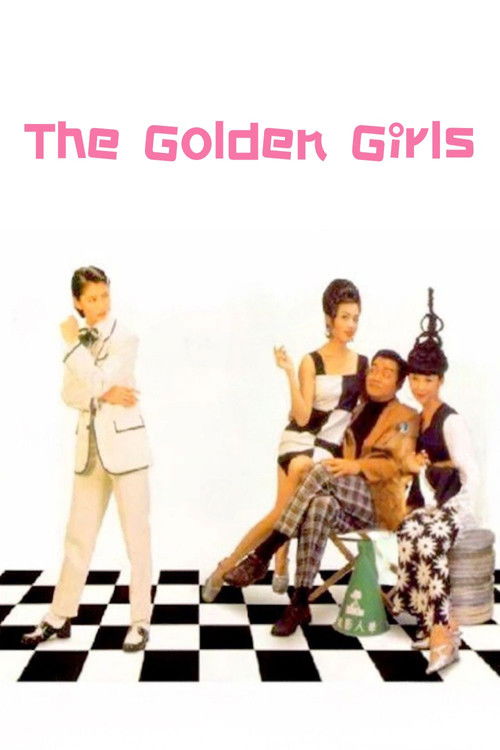
The Golden Girls
1995
No user ratings available yet
Representation score: 4.3 out of 10

Representation Score
Fair
1992
Director
Blackie Ko Sau-Leung
Runtime
91 minutes
Average Rating
No ratings yetNew Showbiz Analysis
The Days of Being Dumb is a character-driven comedy that highlights professional failure and social exclusion. It avoids the usual clichés of the crime genre by focusing on unsuccessful characters. While the film slightly challenges traditional masculine archetypes, it remains confined within the conventional genre boundaries of its time. It lacks the explicit multi-layered complexity or systemic critique needed for a higher progressive rating. Ultimately, the film functions as a culturally specific piece of Hong Kong cinema that explores the edges of organized crime without delving into broader social or identity-based subversion.
Category Breakdown
The film doesn't show any clear LGBTQ identities. It follows traditional love stories typical of the early 1990s romance-comedy genre.
The story focuses on male characters in a male-dominated criminal world. However, it challenges traditional masculinity by highlighting incompetence and failure instead of heroic leadership.
As a Hong Kong production, the film reflects the standard demographic makeup of its region. It operates within a non-Western cultural context.
The film centers on social outcasts and 'losers' and explores themes of situational ethics within the Triad subculture, avoiding virtuous social archetypes.
The film does not include any characters with visible or invisible disabilities, nor does it feature neurodivergence or chronic illnesses.
Present on Screen
Limited or Absent
Official Synopsis
Two losers who'll do anything to try and be successful in the Triad world, but all they've accomplished is having a bad luck reputation.
1995

1999
1993

1994
1988

2014
2005
1985
No reviews yet. Be the first to share your thoughts on this movie!
Use the rating form above to leave a star rating and optional review.