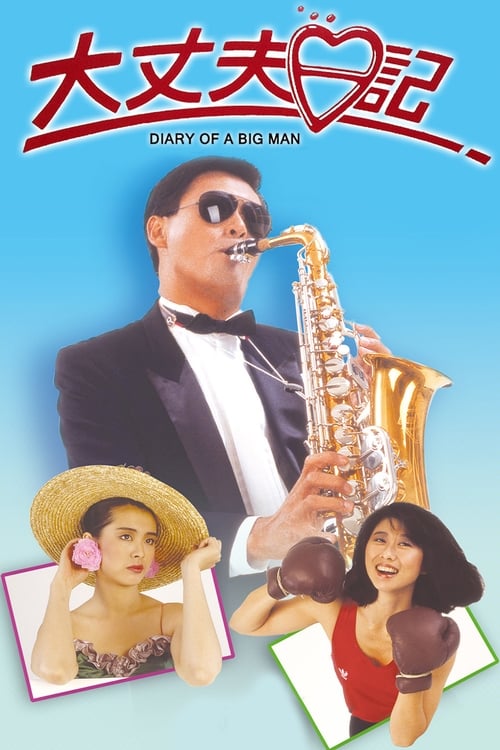
Diary of a Big Man
1988
No user ratings available yet
Representation score: 3.3 out of 10
Representation Score
Limited
1988
Director
Wong Jing
Runtime
97 minutes
Average Rating
No ratings yetNew Showbiz Analysis
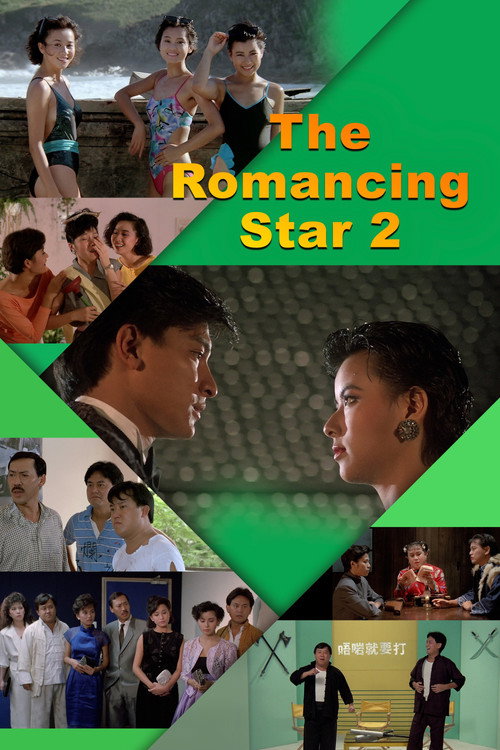
Romancing Star II reflects the mainstream values of 1980s Hong Kong. It emphasizes high-energy slapstick and popular entertainment over any form of social critique or progressive representation. The film’s structure reinforces existing social and gender norms. By focusing on traditional romantic clichés and male-driven comedic pursuits, it avoids challenging the patriarchal structures of its era. Ultimately, the movie serves as a commercial product specific to its time. It lacks the diverse representation seen in modern cinema, offering a uniform view of society aligned with the era’s dominant commercial standards.
Category Breakdown
The film follows typical romantic storylines popular in late-80s Hong Kong cinema. It centers on traditional romances and comedic interactions between men and women without including diverse gender identities.
Women like Carina Lau and Elizabeth Lee play key roles, but their influence is tied to male-led romantic pursuits. The story upholds traditional gender roles and romantic comedy clichés.
The cast is predominantly of the same ethnicity, reflecting the local Cantonese population of the time. It does not showcase the diverse range seen in modern cinema, focusing instead on the specific urban life of the era.
The story captures the energetic consumer culture of 1980s Hong Kong without critiquing societal issues. Its humor relies on established social hierarchies and conventional views of romance.
Characters are defined by comedic archetypes and romantic motivations. There is no focus on neurodivergent conditions or physical disabilities, and none of the characters have disabilities that significantly impact the story.
Present on Screen
Limited or Absent
Official Synopsis
Chow Yun Fat leaves his buddies Eric Tsang, Stanley Fung, and Nat Chan Bak Cheung to their own devices, so the first thing the trio do is get taken hostage in a bank robbery! The trio makes it onto TV, which equals instant celebrity, but the big station in town won't give them a job. Enter Andy Lau, who gives the guys their own talk show on a rival station, where they beat up their guests for being annoying. Meanwhile, a trio of comely females (including Elizabeth Lee and Carina Lau) move in next door, and the chase is on!
1988
1994
1995
1990
1998
1993
1992
2005
No reviews yet. Be the first to share your thoughts on this movie!
Use the rating form above to leave a star rating and optional review.