Glauber Rocha - The Movie, Brazil's Labyrinth
2003
No user ratings available yet
Representation score: 6.0 out of 10
Representation Score
Good
2016
Director
Beto Brant, Camila Pitanga
Runtime
113 minutes
Average Rating
No ratings yetNew Showbiz Analysis
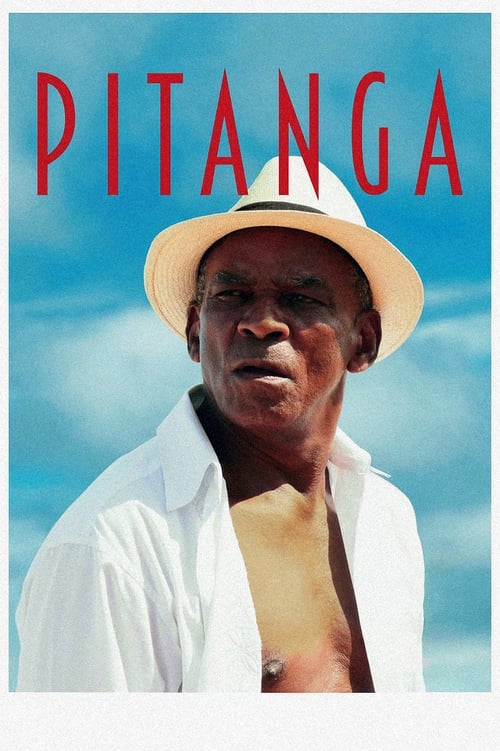
Pitanga is a sophisticated documentary that uses the life of a Black icon to challenge Eurocentric historical narratives. By focusing on Antônio Pitanga’s career, the film provides a vital counter-narrative to the traditional whitewashing found in Brazilian cinema history. The film's strength lies in its multi-layered approach. The choice to have Camila Pitanga direct her father's story shifts the perspective from a typical male-centric biography to a sensitive, nuanced exploration of legacy and fatherhood. While the film excels in racial and cultural representation, it offers less explicit detail regarding LGBTQ+ identities or disability representation. However, its focus on political resistance provides a strong framework for understanding social identity.
Category Breakdown
The film highlights the social pressures of the Brazilian dictatorship era. Although there are no specific LGBTQ+ character stories, the focus on political unrest implies room for diverse identities.
The documentary challenges traditional male-focused biographies by focusing on the daughter's perspective. Camila Pitanga’s direction turns the study of a male figure into a nuanced look at family and gender dynamics.
This film celebrates the achievements of Black individuals in Brazilian media. By highlighting Antônio Pitanga’s career, it counters the historical whitewashing of Brazilian cinema and emphasizes the importance of Black contributions.
The narrative questions institutional authority and state oppression through Pitanga’s activism. It employs a poetic style that prioritizes personal truth and social critique over official historical records.
There is no discernible evidence regarding the portrayal of physical or neurodivergent disabilities in this work.
Present on Screen
Limited or Absent
Official Synopsis
This documentary investigates the aesthetic, political and existential trajectory of emblematic Black Brazilian actor Antônio Pitanga. His career spans over five decades, and he has worked with iconic Brazilian filmmakers Glauber Rocha, Cacá Diegues and Walter Lima Jr. He was a prominent figurehead and outspoken activist during the Brazilian dictatorship, a period of unrest in Brazilian cinema. "Pitanga" deep dives into the world of Antônio and the history of Brazil. The documentary was directed by his daughter Camila Pitanga, one of widely recognised faces in Brazilian television and cinema right now. The film is also a poem, and a tender ode to fatherhood.
2003

2017
2020
2019

2012

2021

1991
2017
No reviews yet. Be the first to share your thoughts on this movie!
Use the rating form above to leave a star rating and optional review.