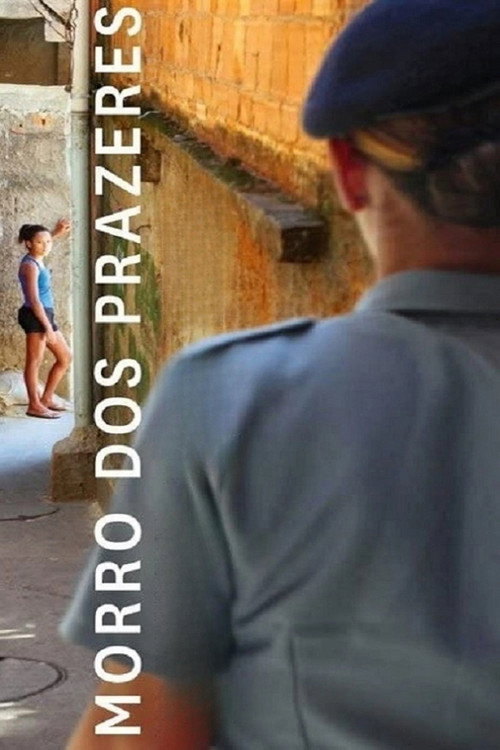
Hill of Pleasures
2013
No user ratings available yet
Representation score: 6.4 out of 10

Representation Score
Good
2013
PG-13Director
Cavi Borges, Luciano Vidigal
Runtime
69 minutes
Average Rating
No ratings yetNew Showbiz Analysis
This documentary offers a deep exploration of systemic inequalities and the lasting impacts of socioeconomic barriers. By focusing on the experiences of Afro-Brazilian and mixed-race individuals, it moves beyond simplistic stardom narratives to examine how racial identities interact with global visibility. The film's strength lies in its refusal to rely on celebratory clichés. Instead, it delves into the tension between opportunities in cinema and the ongoing influence of institutional neglect. This provides a nuanced perspective on how social backgrounds affect individual roles. While the film excels in critiquing racial and cultural issues, it maintains a neutral stance on LGBTQ+ representation. The focus remains on the interplay of class, race, and the legacy of the original film's cast.
Category Breakdown
The documentary focuses on the long-term social journeys of the original cast members. There are no obvious references to LGBTQ+ identities or storylines.
The film highlights female cast members discussing their roles and personal growth. However, it does not provide detailed information on gender power dynamics in the interviews.
The story centers on Afro-Brazilian and mixed-race individuals, exploring how their racial identities shape their transition from underrepresented communities to global recognition.
The film challenges established systems by highlighting peripheral voices. It dismantles traditional success stories to offer a complex view of Brazilian social hierarchies.
There is no specific information about the portrayal of physical or cognitive disabilities in this documentary.
Present on Screen
Limited or Absent
Official Synopsis
City of God – 10 Years Later investigates what happened to the actors who took part in the award-winning film directed by Fernando Meirelles and Katia Lund. This documentary shows what City of God’s worldwide success meant to their lives. Were the actors prepared for the film’s success? Did the social background of some of them prove stronger than the opportunity that came their way?
2013

2000

2016

2002
2009
2004
2009

2013
No reviews yet. Be the first to share your thoughts on this movie!
Use the rating form above to leave a star rating and optional review.