Babilônia 2000
2001
No user ratings available yet
Representation score: 8.2 out of 10
Representation Score
Good
2013
Director
Maria Ramos
Runtime
91 minutes
Average Rating
No ratings yetNew Showbiz Analysis
Maria Ramos presents a powerful observational study that avoids sensationalism. The film excels by centering on racial authenticity and challenging the notion of the state as a benevolent actor. By focusing on the tension between residents and the Pacifying Police Unit, the documentary dismantles traditional power structures. While it provides a deep, localized perspective, it lacks specific focus on LGBTQ+ identities or disability representation. The narrative primarily addresses systemic issues in urban policing rather than individual identity-based narratives.
Category Breakdown
The film does not include any explicit LGBTQ+ character arcs or specific identity-based narratives within the community setting.
The documentary highlights women's experiences within a militarized zone, offering a meaningful portrayal of gendered challenges in this socio-economic context.
The film centers on Afro-Brazilian and mixed-race community life, avoiding outsider stereotypes and emphasizing the high ability to act of residents as they navigate the presence of the Pacifying Police Unit.
The narrative critiques state institutions and paramilitary enforcement, prioritizing the lived realities of underrepresented residents over idealized stories of institutional order or patriotism.
There is no evidence available to evaluate the representation of physical or neurodivergent disabilities in this work.
Present on Screen
Limited or Absent
Official Synopsis
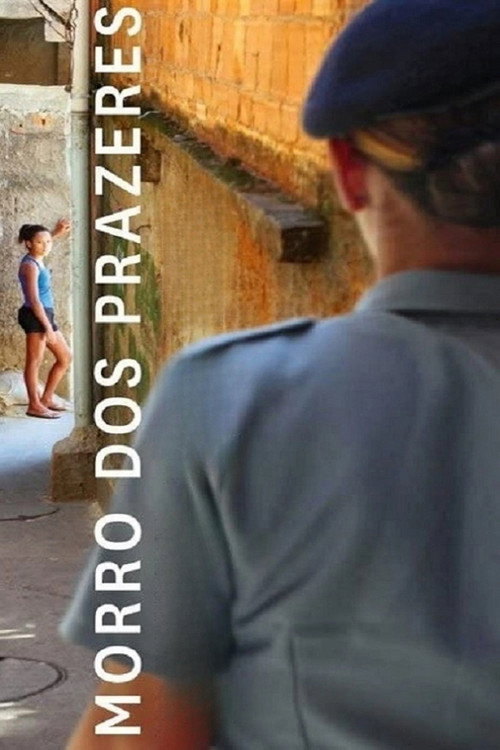
It examines the daily life of the residents and cops at a Rio de Janeiro favela one year after the arrival of a Pacifying Police Unit.
2001
2002
2009
2000

2007
2003
2004
2018
No reviews yet. Be the first to share your thoughts on this movie!
Use the rating form above to leave a star rating and optional review.