
There's Something in the Water
2019
No user ratings available yet
Representation score: 7.3 out of 10
Representation Score
Good
2019
Director
Hepi Mita
Runtime
88 minutes
Average Rating
No ratings yetNew Showbiz Analysis
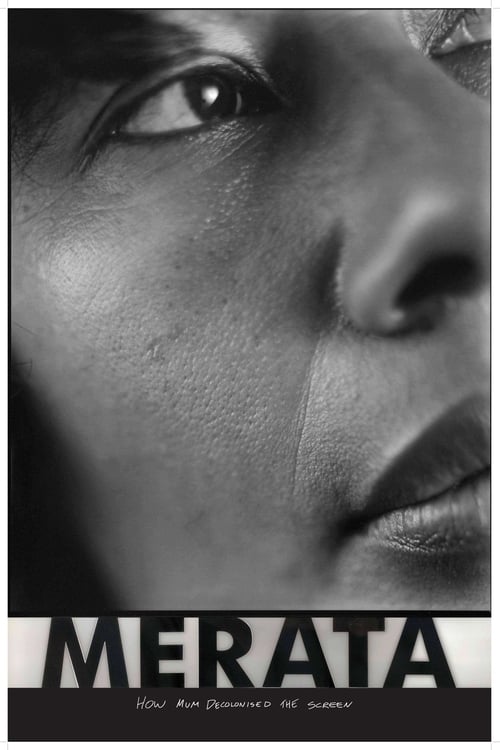
Merata: How Mum Decolonised the Screen is a powerful study of systemic reclamation. It succeeds by moving beyond mere inclusion, instead centering the entire cinematic experience on the deconstruction of colonial power structures and the assertion of Māori ability to act. The film excels in its portrayal of gender and race, framing Merata Mita as a visionary leader who challenges the dominance of Western cinematic traditions. It effectively subverts professional hierarchies by presenting her as an intellectual force. While the film is a masterclass in cultural sovereignty, it lacks explicit focus on LGBTQ+ identities or disability representation. However, its primary mission of decolonizing the screen remains profoundly intact.
Category Breakdown
The documentary explores the intersections of Indigeneity and gender. There is no clear depiction of non-traditional gender identities or queer themes in the narrative.
Merata Mita is portrayed as a highly influential professional leader. The film highlights her ability to challenge male-dominated industries and traditional gender roles.
This film is a profound exploration of Māori ability to act. It emphasizes the importance of Indigenous voices over Western traditions and seeks to change media power dynamics.
The narrative engages deeply with post-colonial critique and cultural sovereignty. It challenges Western-centric structures by promoting Indigenous-led knowledge systems and reclaiming identity through art.
There is no significant evidence regarding the portrayal of physical or neurodivergent disabilities in this archival-focused work.
Present on Screen
Limited or Absent
Official Synopsis
This film is an intimate portrayal of pioneering filmmaker Merata Mita told through the eyes of her children. Using hours of archive footage, some never before seen, her youngest child and director Hepi Mita discovers the filmmaker he never knew and shares the mother he lost, with the world.
2019

2017
2016
2020

2021
2016

2017

2022
No reviews yet. Be the first to share your thoughts on this movie!
Use the rating form above to leave a star rating and optional review.