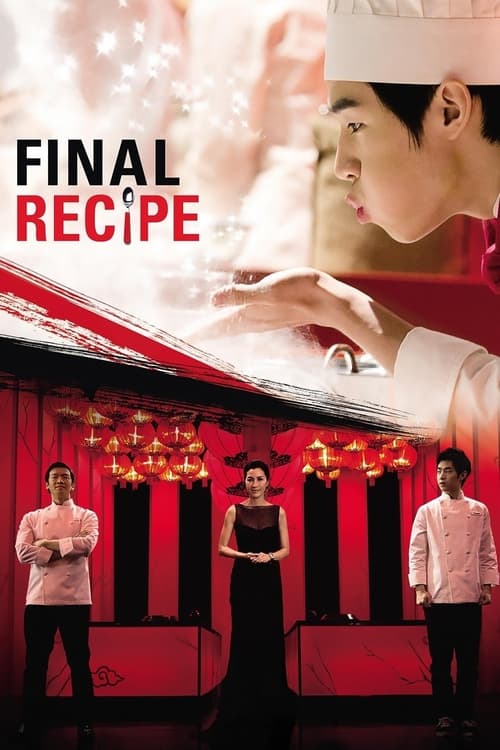
Final Recipe
2013
No user ratings available yet
Diversity score: 6.2 out of 10
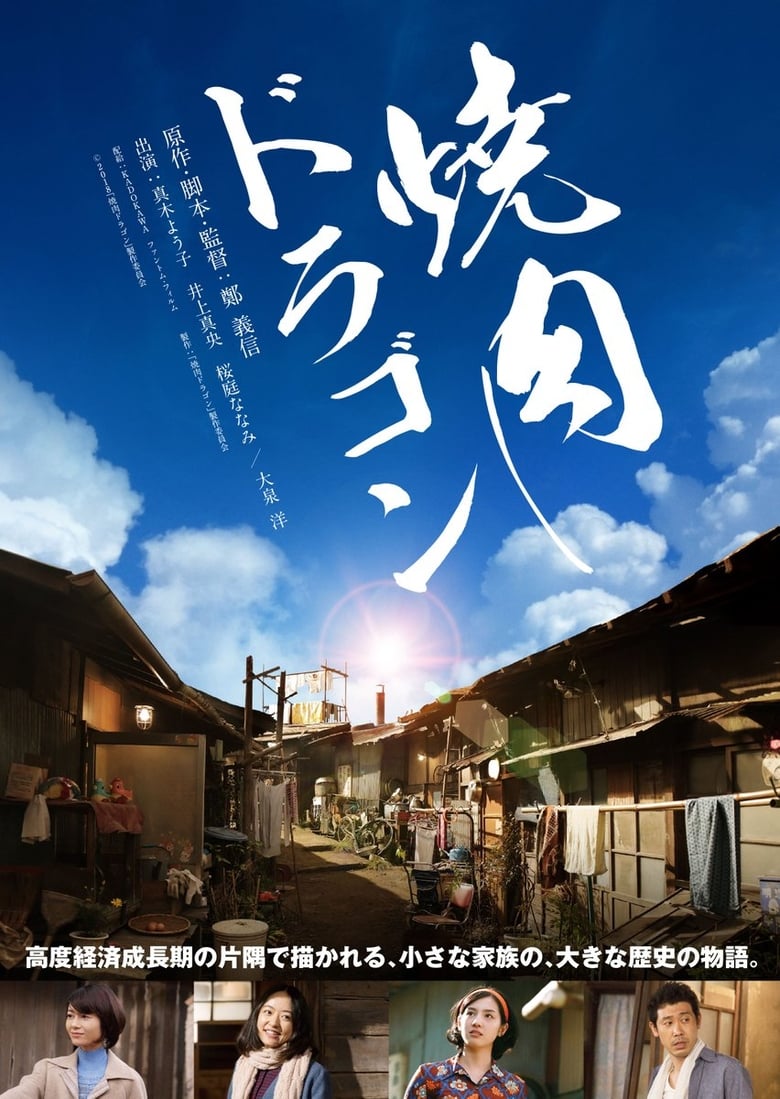
2018
Director
Wishing Chong
Runtime
128 minutes
Average Rating
No ratings yetSynopsis
Set in the 1970's in the Kansai region of Japan.. Yong-Gil is Korean, but he moved to Japan and settled down. He runs a small restaurant named Yakiniku Dragon. He is married and has three daughters: oldest daughter Jung-Hwa, middle daughter Yi-Hwa and youngest daughter Mi-Hwa. Oldest daughter Jung-Hwa is dating Tetsuo, but they break up. Middle daughter Yi-Hwa loves Tetsuo and marries him, but Tetsuo still loves her older sister and they divorce. Youngest daughter Mi-Hwa wants to become a singer, but she is in love with a married man.
Overall Score
Good
Category Breakdown
LGBTQ+ Representation
The narrative focuses on heteronormative romantic entanglements and familial structures. There is no explicit depiction of queer identities or non-cisnormative narratives within the story.
Gender Representation
The film centers the agency of three daughters, exploring their individual desires and professional aspirations. It subverts patriarchal tropes by depicting male emotional instability and failed marriages.
Racial & Ethnic Diversity
The story provides a deep look at the Zainichi Korean experience in 1970s Japan. It centers a Korean immigrant family, offering significant representation of a marginalized ethnic group.
Religious & Cultural Diversity
The film deconstructs the idealized traditional family through themes of dysfunction and romantic complication. Characters navigate complex social landscapes where personal impulse often disrupts traditional expectations.
Disability Representation
There are no prominent depictions of physical or neurodivergent disabilities present in the narrative.
Strengths
Areas for Improvement
AI Analysis
Yakiniku Dragon is a sophisticated exploration of identity and displacement. By centering a Korean immigrant family in the Kansai region, the film disrupts the typical homogeneity found in Japanese period dramas. The film's greatest strength lies in its intersectional approach to ethnic minority experiences. It avoids tokenism, instead using the specific cultural friction of the Zainichi experience to drive a character-driven plot. While the film excels in racial and ethnic representation, it remains largely heteronormative. The narrative focuses on traditional romantic structures and familial hierarchies rather than queer identities.
2013
2023

1989
2019
2008

1970

2023
2012
1997
1951
2005
1960
No reviews yet. Be the first to share your thoughts on this movie!
Use the rating form above to leave a star rating and optional review.