Freda
2021
No user ratings available yet
Diversity score: 7.6 out of 10
2023
NRDirector
Anthony Shim
Runtime
117 minutes
Average Rating
No ratings yetSynopsis
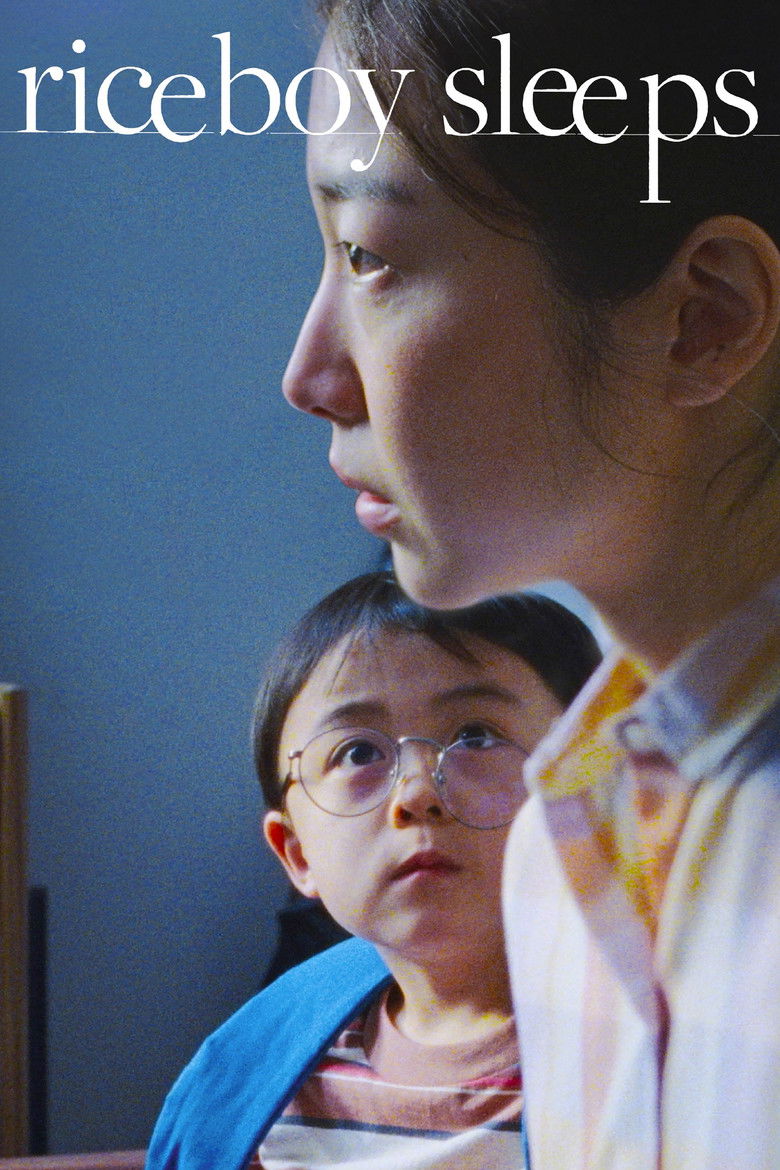
In the 1990s, an immigrant single mother raises her teenage son in the Canadian suburbs, determined to provide a better life for him than the one she left behind in South Korea.
Overall Score
Good
Category Breakdown
LGBTQ+ Representation
The film operates within a heteronormative framework. It does not explicitly center LGBTQ+ identities or non-cisnormative expressions, maintaining a neutral stance without progressive inclusion or derogatory tropes.
Gender Representation
The narrative disrupts traditional hierarchies by centering the maternal experience. It prioritizes female agency, focusing on the emotional labor and resilience of an immigrant mother as the primary driver of the plot.
Racial & Ethnic Diversity
The film excels in portraying the Korean-Canadian diaspora through nuanced character arcs. It effectively highlights the isolation of a minority within a predominantly white Newfoundland landscape.
Religious & Cultural Diversity
The story explores the tension between traditional Korean values and Western assimilation. It avoids Western-centric triumphalism, instead examining how heritage serves as both strength and a source of friction.
Disability Representation
There are no prominent depictions of visible or invisible disabilities that serve as central narrative drivers in this work.
Strengths
Areas for Improvement
AI Analysis
Riceboy Sleeps is a sophisticated exploration of the diaspora that moves beyond simple immigrant tropes. It succeeds by centering the Korean-Canadian experience and treating heritage as a driving force of character agency rather than a mere costume. The film's strength lies in its intersectional approach, particularly in how it subverts traditional gender roles by positioning the immigrant mother as a resilient architect of her family's future. This provides a deep, nuanced look at identity negotiation. While the film lacks explicit LGBTQ+ representation or disability narratives, its profound engagement with racial and cultural displacement creates a highly meaningful portrait of marginalized lived experiences.
2021
2021
2018

2022
2019
2018
2022
2021
2015

2009
2011
2026
No reviews yet. Be the first to share your thoughts on this movie!
Use the rating form above to leave a star rating and optional review.