Ah, Wilderness!
1976
No user ratings available yet
No diversity score available
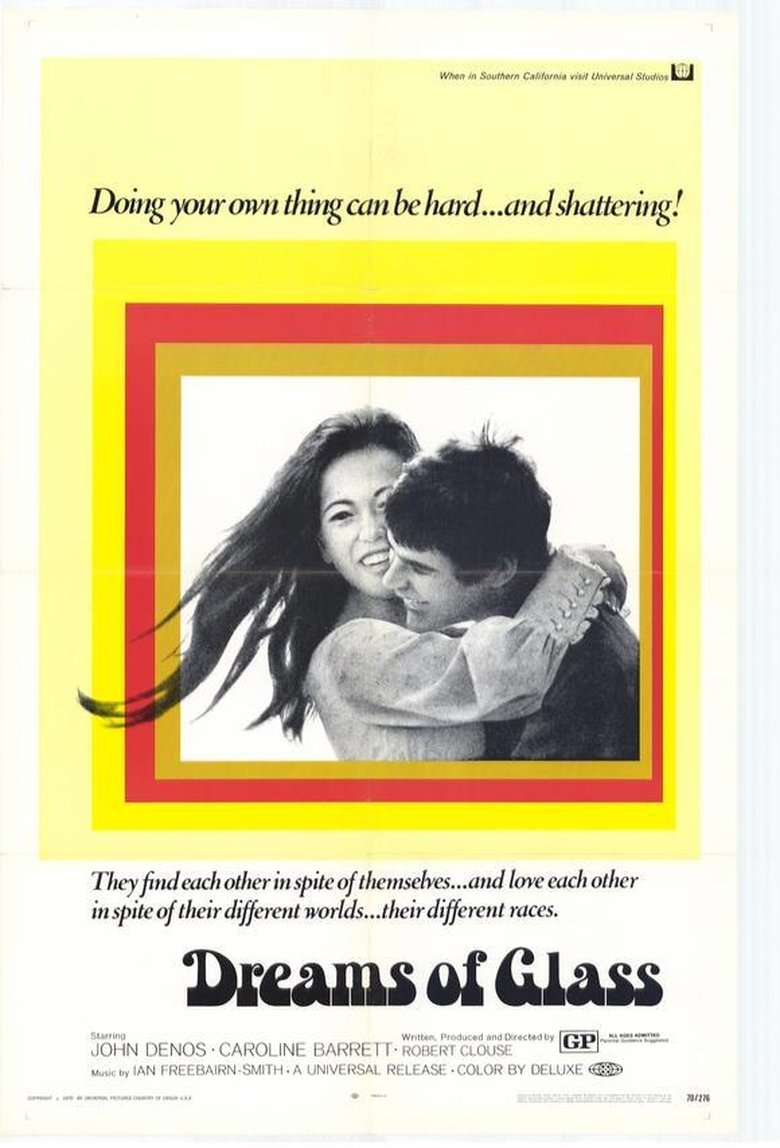
1970
GPDirector
Robert Clouse
Runtime
83 minutes
Average Rating
No ratings yetSynopsis
Ann is from a prominent Japanese-American family, owners of a famous nursery and greenhouse. Tom is from a blue-collar family of self-employed fishermen. Tom and Ann develop a playful, loving relationship, despite obstacles their families throw in their way.
Overall Score
Fair
Category Breakdown
LGBTQ+ Representation
The film lacks evidence of non-heteronormative identities or same-sex intimacy. The central romance follows a traditional male-female dynamic without critiques of heteronormativity.
Gender Representation
A playful, loving relationship suggests emotional parity between the leads. However, the film lacks clear evidence of subverting masculine leadership or addressing traditional femininity.
Racial & Ethnic Diversity
The story features a prominent Japanese-American family owning a successful nursery. This disrupts common tropes by placing characters of color in positions of established socioeconomic influence.
Religious & Cultural Diversity
The narrative explores the friction between settled nursery owners and mobile, blue-collar fishermen. It examines how traditional family institutions and class structures create systemic obstacles.
Disability Representation
There is no information regarding the inclusion of characters with physical or neurodivergent disabilities.
Strengths
Areas for Improvement
AI Analysis
Dreams of Glass functions as a social drama centered on the friction between disparate socioeconomic and ethnic backgrounds. It utilizes a star-crossed lovers trope to explore tensions between landed interests and the working class. The film's strength lies in its nuanced portrayal of ethnic identity. By centering a successful Japanese-American family, the narrative avoids relegating people of color to lower socioeconomic tiers. However, the film remains conventional in its romantic structure. It lacks representation for LGBTQ+ identities and provides no insight into disability or neurodivergent characters.
1976

1957

1955

1956
1953

1950

1965
2006
1985
1956

1962
1957
No reviews yet. Be the first to share your thoughts on this movie!
Use the rating form above to leave a star rating and optional review.