The Black Moon
1990
No user ratings available yet
Representation score: 6.6 out of 10
Representation Score
Limited
1971
RDirector
Rafael Moreno Alba
Runtime
110 minutes
Average Rating
No ratings yetNew Showbiz Analysis
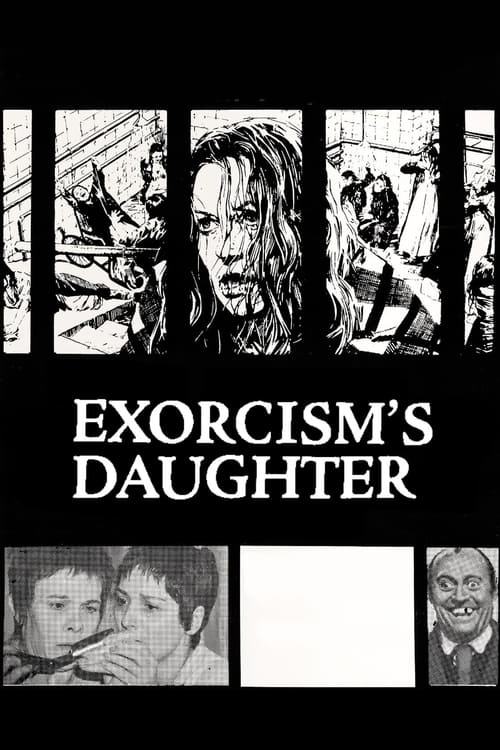
Exorcism's Daughter follows the typical conventions of 1970s psychological horror. The narrative revolves around Tania, a central character grappling with maternal loss and mental instability. While the film explores mental health through its main character, it does not delve into multi-layered complexities. Instead, it adheres to established genre clichés without challenging social hierarchies or institutional norms. Overall, the film emphasizes individual psychological struggles rather than broader social or identity-based commentary.
Category Breakdown
The film does not include any references to LGBTQ+ identities or same-sex relationships. There are no critiques of the assumption that everyone is straight or cisgender.
Tania is a central female character who navigates intense psychological challenges. However, the film does not critically examine gender roles or challenge traditional hierarchies.
There is no information about the ethnic makeup of the cast or setting. The film does not feature any racially diverse casting.
The story deals with religious and institutional themes through exorcism and psychiatric care. It does not explicitly criticize these structures as oppressive.
The protagonist is an asylum patient dealing with significant behavioral issues. It is unclear whether her neurodivergence is portrayed with ability to act or simply as a horror element.
Present on Screen
Limited or Absent
Official Synopsis
Tania, an asylum patient, is under the doctor's care while suffering raging behavioral effects that follow the death of her exorcised mother.
1990
1961
2022
1986
1974

1964

1976
1989
No reviews yet. Be the first to share your thoughts on this movie!
Use the rating form above to leave a star rating and optional review.