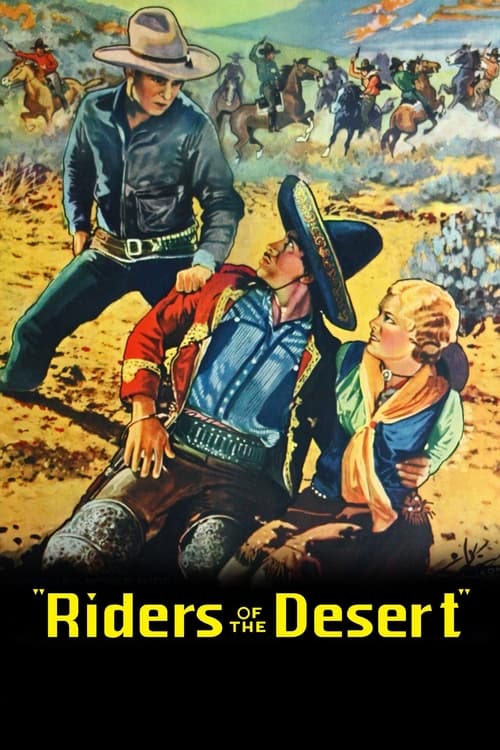
Riders of the Desert
1932
No user ratings available yet
Representation score: 0.9 out of 10
Representation Score
Minimal
1927
PassedDirector
Richard Thorpe
Runtime
58 minutes
Average Rating
No ratings yetNew Showbiz Analysis
The film is a typical 1920s Western that prioritizes traditional genre clichés over social nuance. The narrative focuses on a man's struggle against both the law and the elements, leaving little room for diverse perspectives. Representation is heavily skewed toward masculine control and assumptions that everyone is straight. Characters and settings function primarily to drive a survivalist plot rather than to explore complex identities or cultural depth. Ultimately, the work adheres to the conservative cinematic norms of its era. It reinforces established social hierarchies and uses its Mexican setting as a backdrop for conflict rather than a space for meaningful ethnic representation.
Category Breakdown
The film does not depict any non-straight relationships or same-sex intimacy. The story revolves around a male protagonist and a male detective, adhering to a conventional structure that assumes everyone is straight.
The narrative focuses almost entirely on male characters. The plot centers on Jim Drake's survival and his conflict with Murray, without providing significant roles or ability to act for female characters.
The film includes a border crossing into Mexico, but the depth of the characters involved is unclear. The borderland is used as a typical Western cliché for conflict.
The film relies on traditional Western motifs such as frontier justice and lawmen. It reinforces established social orders without critiquing Western institutions or traditional morality.
The protagonist is described as wounded, which serves as a plot device for survival. There is no nuanced exploration of physical disabilities or neurodivergence.
Present on Screen
Limited or Absent
Official Synopsis
Chased by Detective Murray and the posse, a wounded Jim Drake heads across the border into Mexico where he recuperates with the Wolfes. When Murray arrives again, Jim heads into the desert. But in the night his guide sneaks off and leaves him without water or his horse.
1932
1940

1911

1957
1934
1935
1952
1927
No reviews yet. Be the first to share your thoughts on this movie!
Use the rating form above to leave a star rating and optional review.