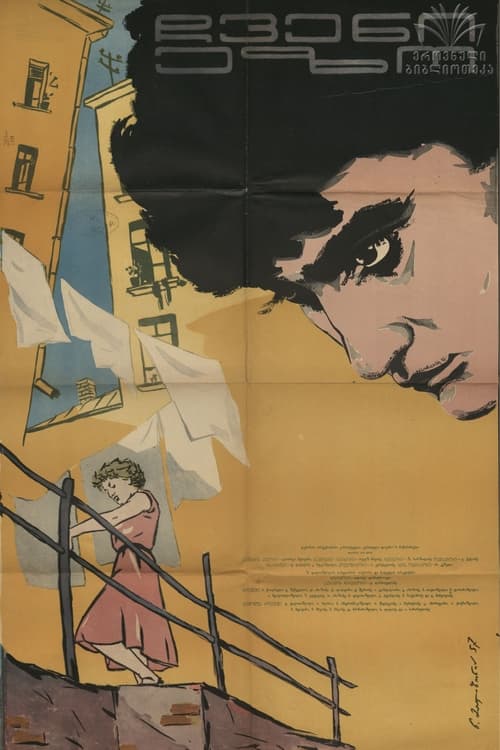
In Our Courtyard
1956
No user ratings available yet
Representation score: 4.4 out of 10
Representation Score
Fair
1947
Director
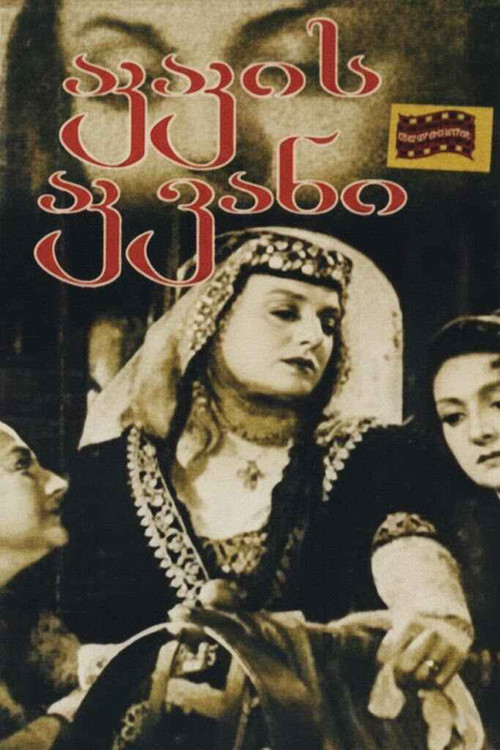
Konstantine Pipinashvili
Runtime
110 minutes
Average Rating
No ratings yetNew Showbiz Analysis
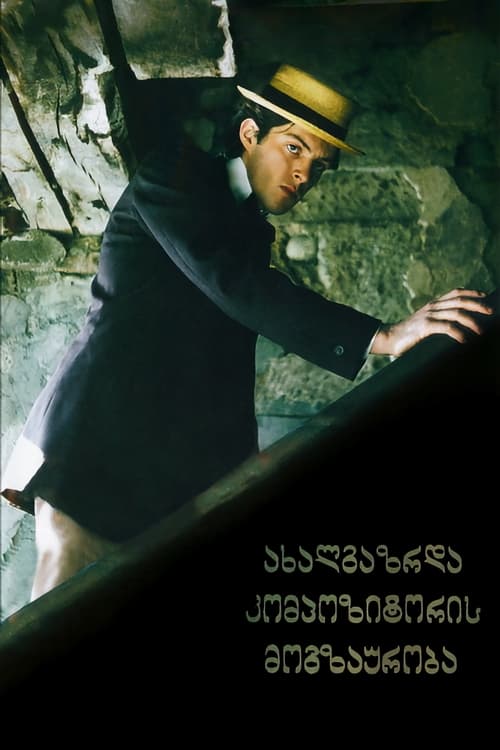
Akaki's Cradle serves as a significant cultural vessel, prioritizing Georgian ethnic identity and regional heritage. By focusing on the life of Akaki Tsereteli, the film disrupts Western-centric cinematic canons through its non-Anglo-Saxon perspective. However, the film is constrained by the traditional biographical clichés of its 1947 production era. It lacks modern markers of diversity, particularly regarding LGBTQ+ identities and non-traditional gender roles, which are absent from the narrative. Ultimately, the film is a culturally specific work that excels in ethnic representation while remaining rooted in the social hierarchies of the 19th-century Caucasus.
Category Breakdown
The film does not include any evidence of LGBTQ+ identities or same-sex relationships. It follows the traditional social structures of the 19th-century Caucasus.
As a biopic of a male poet, the story centers on male intellectual growth. Women likely appear in traditional maternal or romantic roles without challenging gender hierarchies.
The film highlights Georgian ethnic identity by focusing on a non-Western historical figure. It provides meaningful representation of regional language and specific cultural heritage.
The narrative emphasizes regional heritage and nationalistic preservation. It focuses on a poet who symbolizes Georgian identity without deconstructing institutions.
There is no documented evidence regarding the inclusion of characters with physical or neurodivergent disabilities in this work.
Present on Screen
Limited or Absent
Official Synopsis
Film about the childhood and teenage years of the national poet of Georgia Akaki Tsereteli.
1956
1969
1926

1936
1971

1912

1927
1985
No reviews yet. Be the first to share your thoughts on this movie!
Use the rating form above to leave a star rating and optional review.